Written by Lian Marie Celebria
Photos courtesy of Lia Marie Celebria
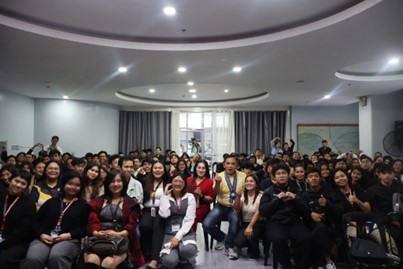
The University of Baguio, in partnership with Chinzei Gakuin Daigaku (Nagasaki Wesleyan University), annually offers two students the chance to spend ten months immersed in Japanese academics and culture as part of its Broadening Reach through International Development and Global Experience or BRIDGE programs. In Isahaya, Nagasaki, participants experience vibrant customs, language, and community life, fostering independence, personal growth, and global friendships. Students from around the world – China, Korea, Thailand, and more – share their cultures, with UB students showcasing Filipino heritage.
More than studying abroad, this program opens doors to Japan and diverse cultures, expanding horizons, nurturing adaptability, and sharpening problem-solving skills through collaboration. Everyone has the opportunity to share about their own experiences from their home country, ranging from local cuisines to the program that they study in their university.
“A goal should scare you a little and excite you a lot.” – Joe Vitale
I have always kept this saying close to my heart for years, always reminding myself through everything I’ve applied for. This quote has guided me through challenges, reminding me that hesitation is normal when dreams outweigh fears.
I am fortunate to be part of this year’s Japan BRIDGE exchange program, and I aim to share my knowledge while embracing Japanese heritage in a meaningful exchange of technical and cultural experiences. I have always been enthusiastic to delve deeply into the beauty of Japan’s vibrant traditions, as well as cherishing the unique stories of other nations participating in this exchange.
The first months were the hardest, I was far from being fluent in Japanese, in a quiet town where barely anyone could speak English. Simple tasks such as asking for directions, ordering food, or reading signs quickly became daunting obstacles. I relied on my cellphone, using translator applications in order to communicate any questions and concerns that I had. I didn’t want to keep relying on my cellphone, so I studied hard during classes and made friends with the Japanese students to improve my Japanese language skills.
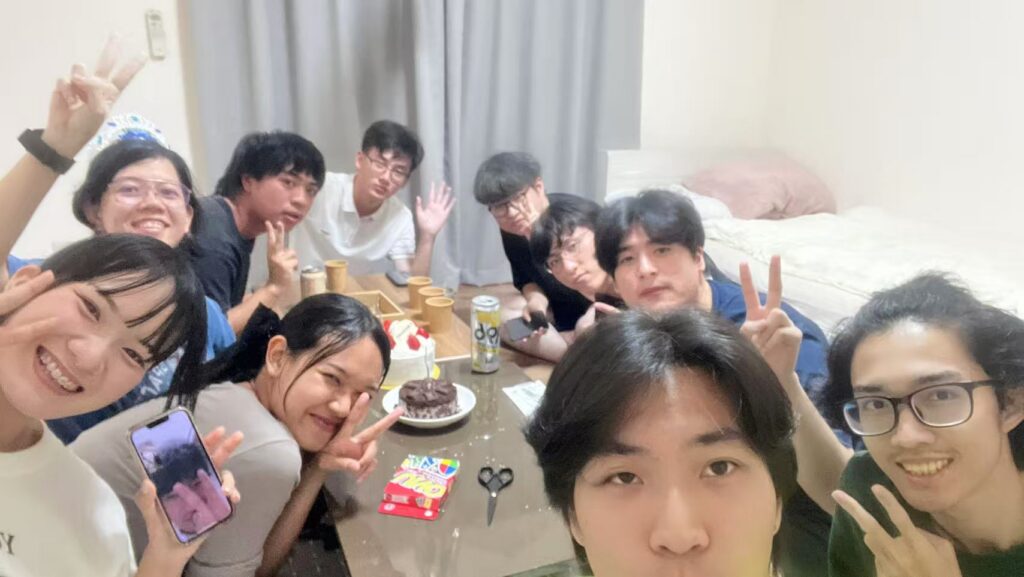
The international exchange students all live in the same building, with their own room, and because of our arrangement, we often have dinner parties occasionally such as after exams, birthdays, welcome and farewell parties for the students who only study for half of the year.
Because courses at Chinzei Gakuin are only held Monday through Friday and there are
only five periods per day, all students are given the opportunity to take breaks during the
weekends. Each lesson lasts an hour and a half, with 10-minute intervals in between. At 12:00,
there is a lunch break for the entire university. Classes begin as early as 8:50 a.m. and last as late
as 6:00 p.m.
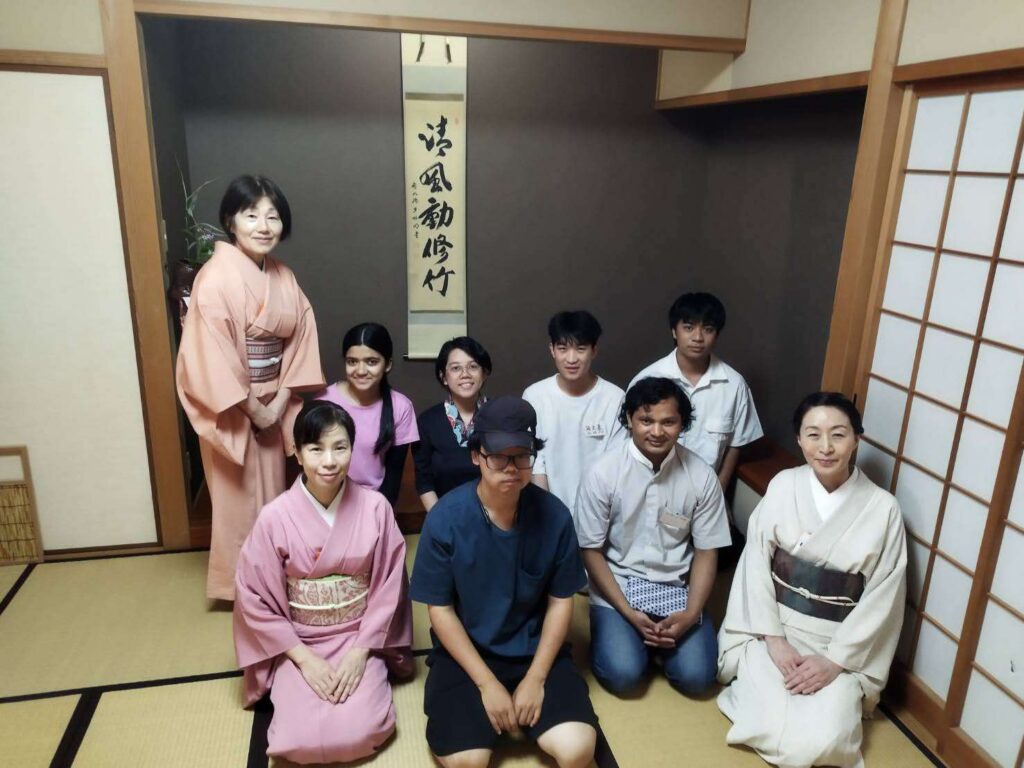
In addition to studying Japanese, we also studied cultural topics like Shodou (Japanese calligraphy), Ikebana or Kadou (Flower Arrangement), and my personal favorite, Sadou (Japanese Tea Ceremony). Since Japanese is used in all of our lessons, I was able to practice and improve my language proficiency more quickly.
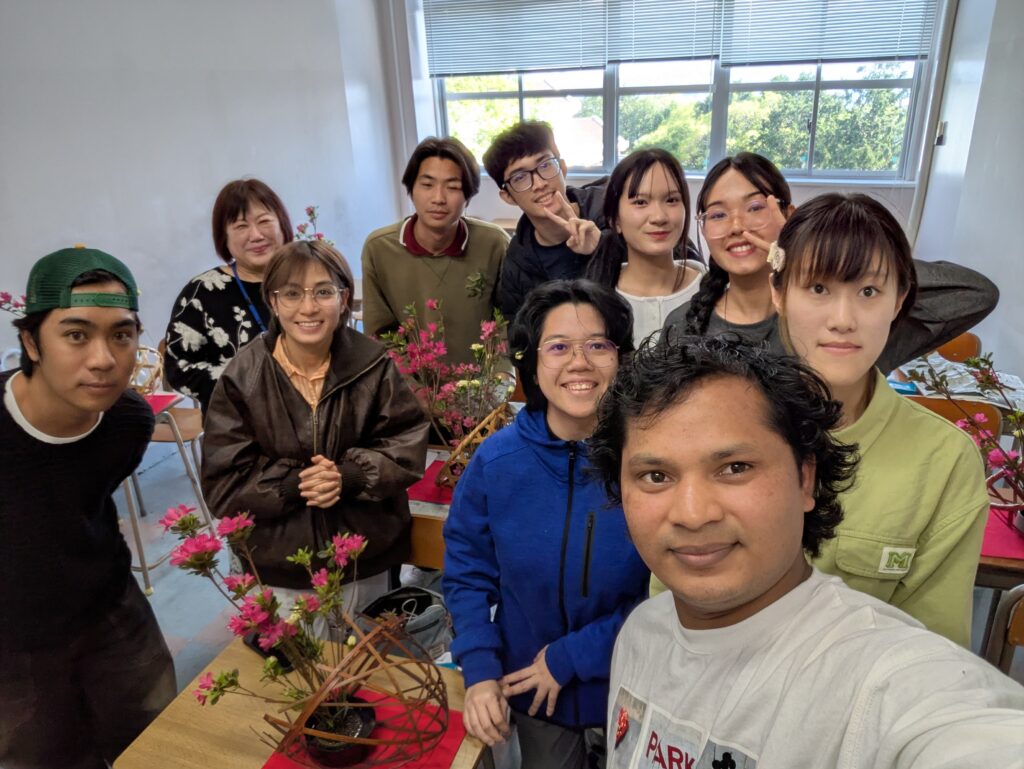
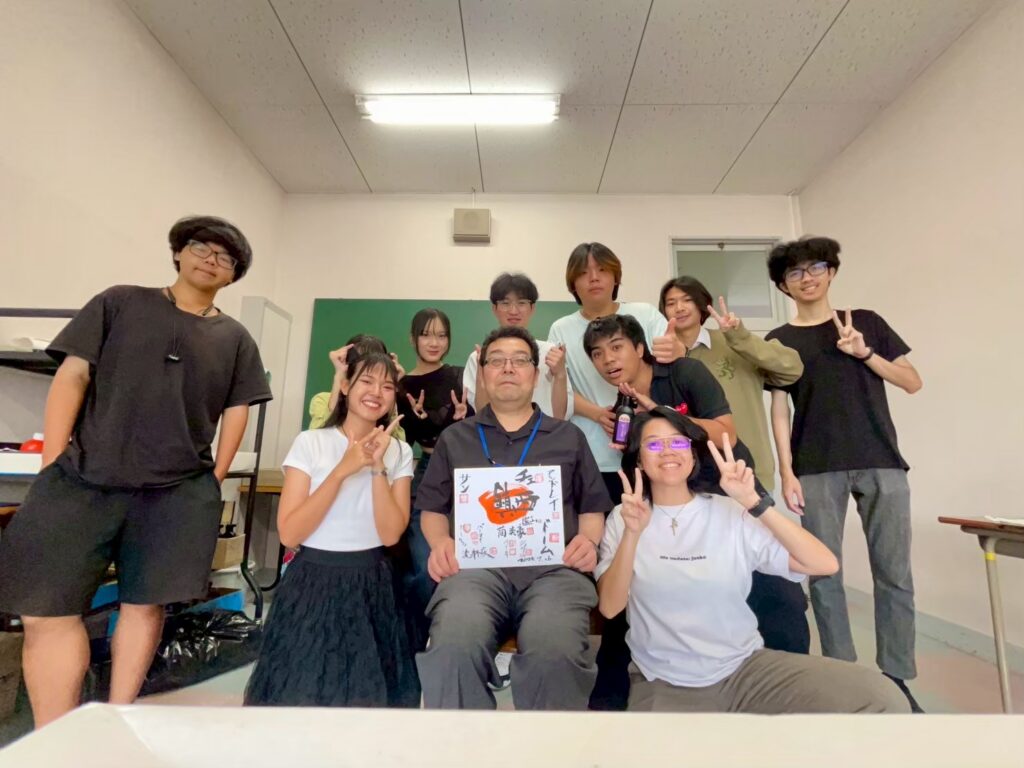
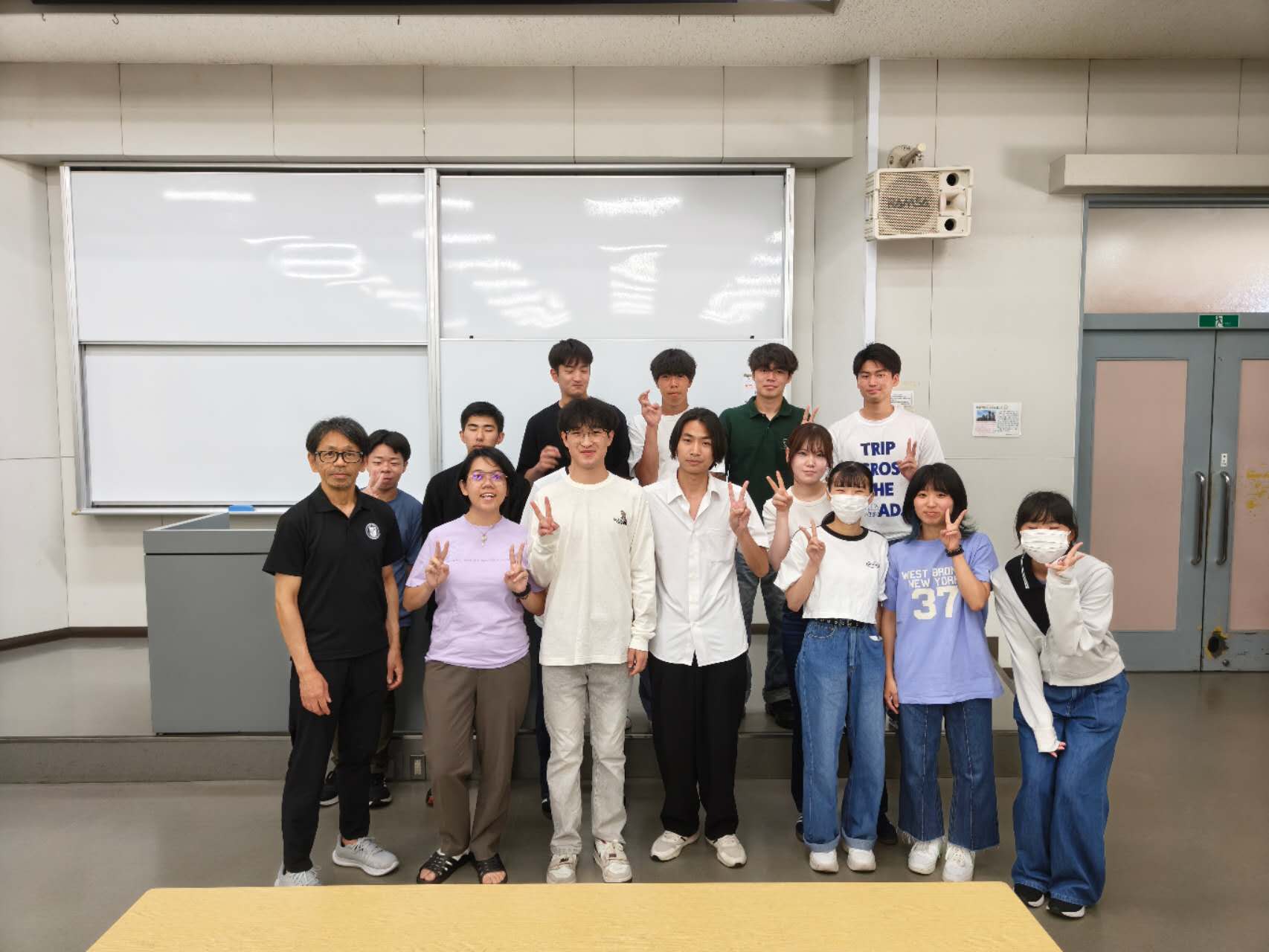
At Chinzei Gakuin, each academic subject has only two major exams per semester. At the beginning of the program, all international exchange students take a placement test to determine their class assignments. Our Japanese language class currently has just six students, allowing us to ask our teacher directly for guidance whenever we need help understanding the lessons.
Despite being only a few of us in the class, I had many chances to make friends with the Japanese students – from our seminar classes (which are simply called zemi) to joining clubs.
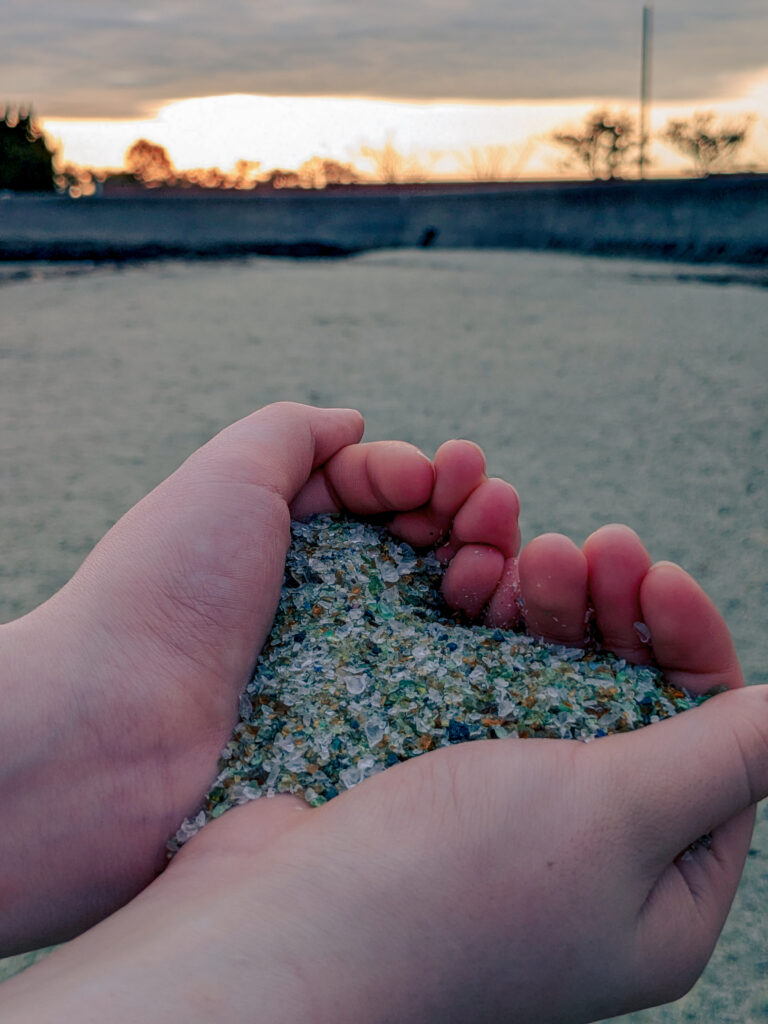
As much as possible, international exchange students from the same country are not placed in the same zemi classes. My classmates from zemi were very kind and often offered to take me to places I haven’t been to. Since it was my first time in Japan, they brought me to tourist places such as the Glass Sand Beach in Omura, Nagasaki and to make my own okonomiyaki. We even went karaoke together and watched a festival in Omura City. Not only were my classmates from zemi kind, but so is my teacher, Kawaguchi-sensei (Professor Kawaguchi).
Kawaguchi-sensei had asked me what I wanted to do in Nagasaki before I had to go back to the Philippines, and I answered I wanted to visit as many shrines and temples, as well as tourist spots in the area. He kindly treated me and two zemi
classmates from the exchange program to our first izakaya (Japanese bar) experience. And, during the summer break, he drove us international exchange students to various places such as onsens, Shimabara Castle, the famous Fruits Bus Stops, and several beautiful shrines.
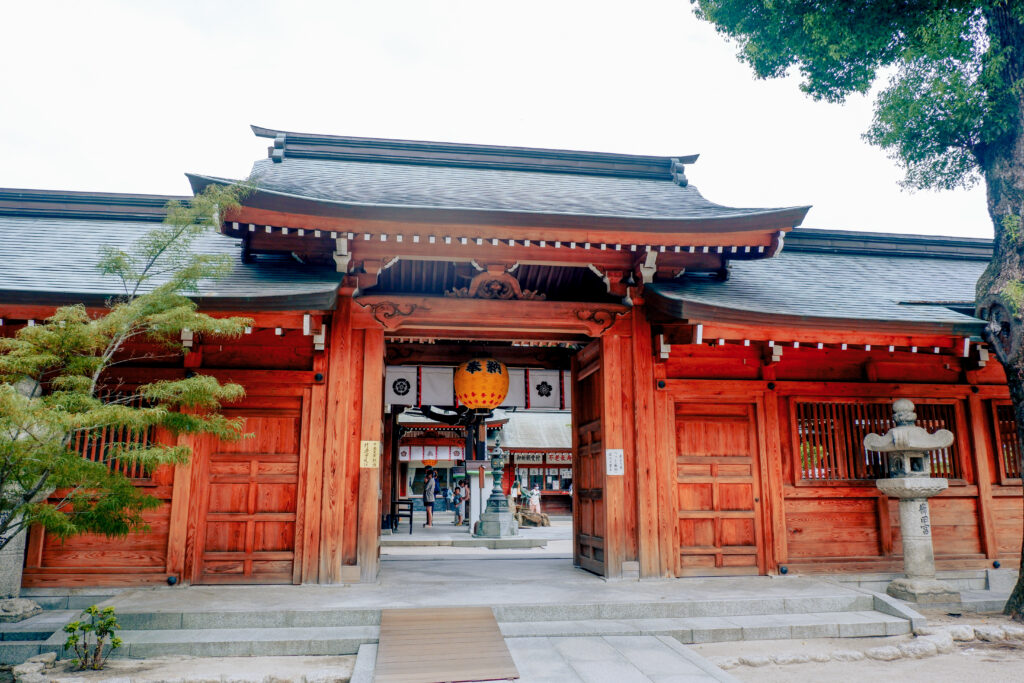
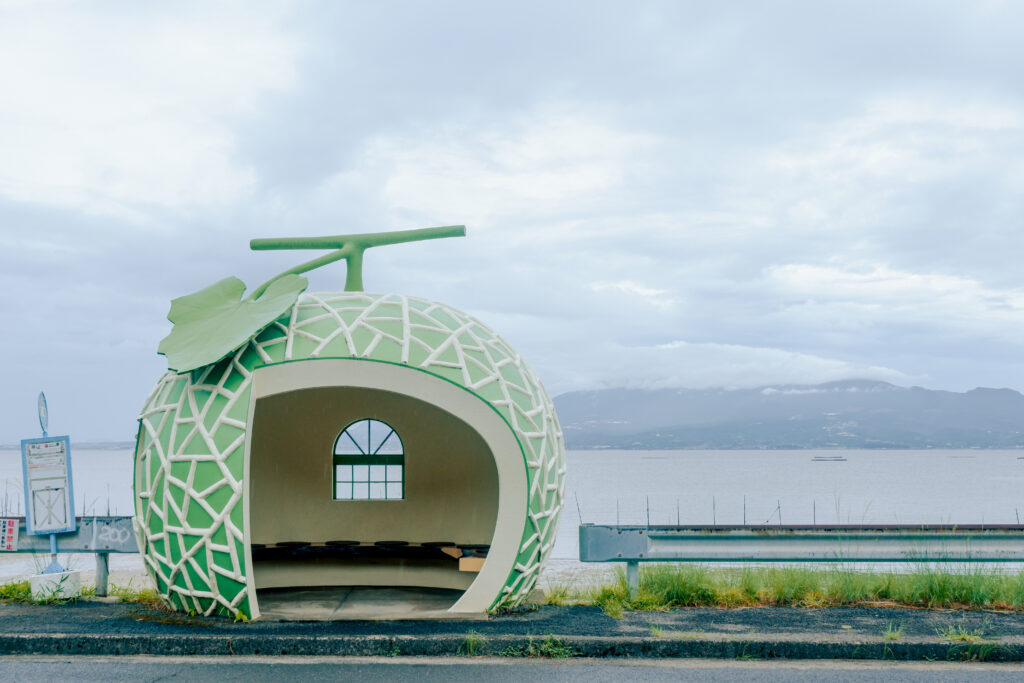
Beyond those trips, I made countless memories through school events, the first being Nijifes (Rainbow Festival) held during May. The campus came alive with food stalls serving Filipino, Thai, Chinese, and Vietnamese dishes, and more; and lively activities filled the day. I even performed with the Acoustic Guitar Circle during Nijifes and during the practices and rehearsal, I made even more friends who help me improve in not only the guitar, but also my Japanese speaking skills.
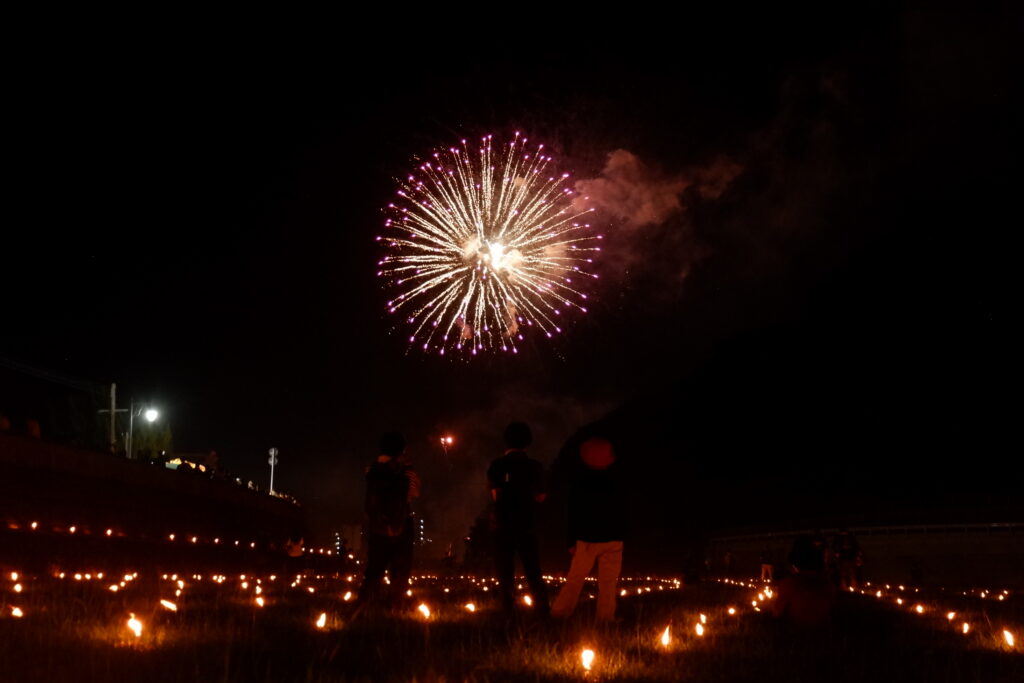
Another unforgettable event was the Kawa Matsuri (River Festival), where we lined the riverbanks of Honmyogawa with candles and set small boats aglow as they floated downstream. The festival marked the start of our summer vacation, and I truly felt the essence of a Japanese summer – sharing shaved ice and watching fireworks light the sky after our work by the river was done.
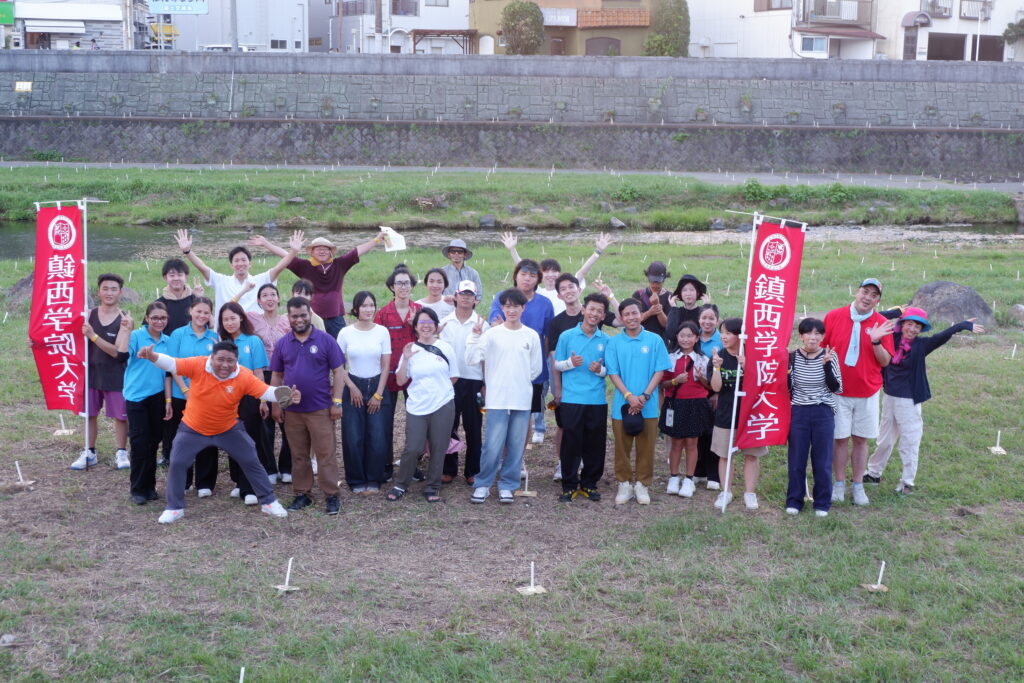
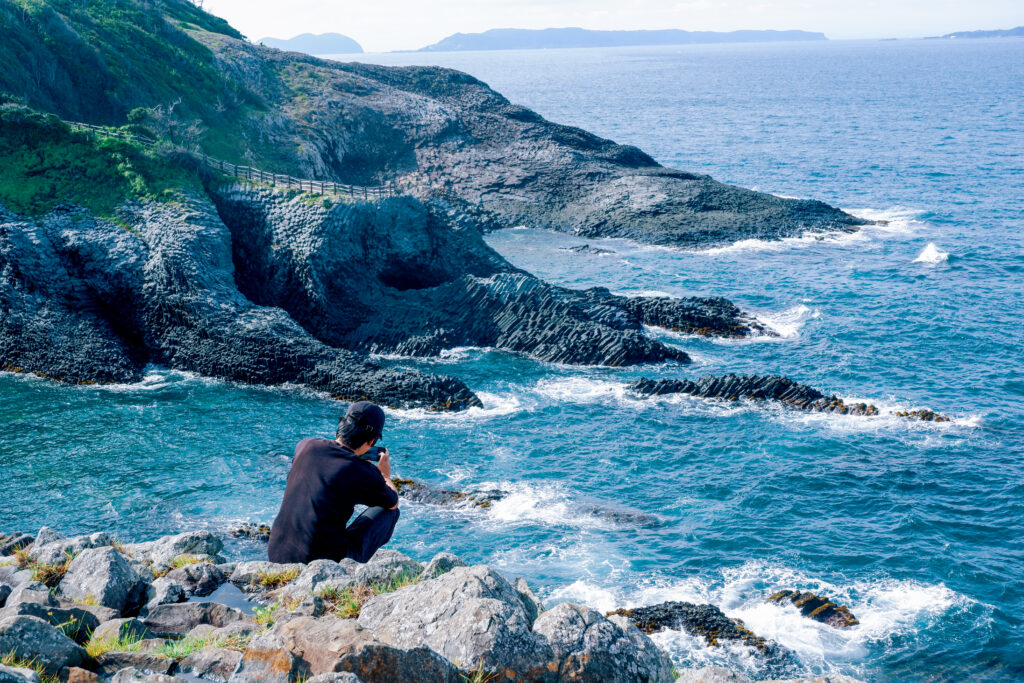
These moments made me realize that this exchange program is more than an academic pursuit – it’s about forging connections and learning through the hearts of others. The Japanese people radiate genuine warmth; whether teacher or friend, their kindness flows effortlessly, ensuring we feel welcomed and at home in Japan. Aside from the Acoustic Guitar Circle, I joined two other clubs, namely the Photography Circle and the English Club. Through the English Club, I was able to help Japanese students improve their English skills, and in turn, they were able to help improve my Japanese as well. The Photography Circle also allowed me to go around various parts of the region, capturing its beauty through my lens. Thanks to these clubs, I experienced even more of Japan, such as swimming at Yui no Hama Beach with the English Club, and even reaching the northwesternmost point of Japan at Hado Cape with the Photography Circle.
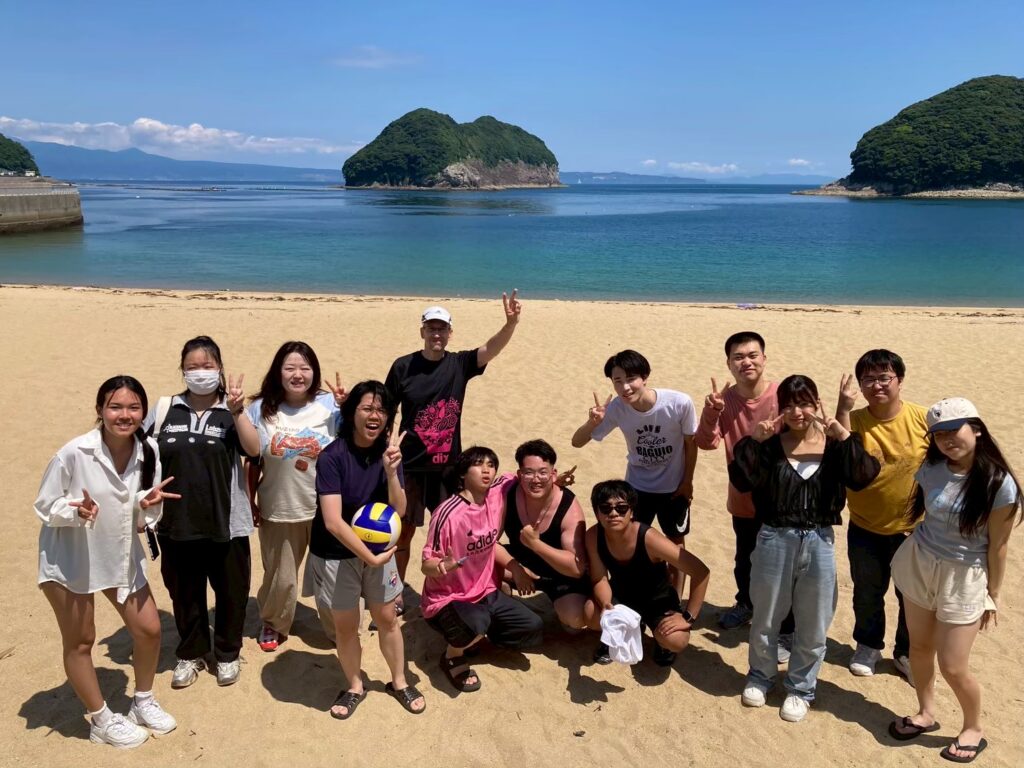
Though only half a year has passed since the program began, I have gathered countless experiences – too many to capture in words – but each one has left a lasting impression on my heart. This exchange has been filled with a lot of firsts for me, but I know that they won’t be the last.
The exchange program, I know, will leave a profound mark on personal, academic, and cultural growth. Personally, it nurtured independence, adaptability, confidence, and deep friendships across borders. Academically, it provided immersive Japanese language learning, hands-on cultural classes, and supportive mentorship from teachers. Culturally, it offered rich experiences through festivals, traditional arts, local explorations, and community engagement, fostering a genuine connection to Japan while encouraging the sharing of Filipino heritage with the world.
I look forward to applying the lessons learned in both academic and cultural aspects toward future studies and career goals, while nurturing the connections that I have built through this exchange program. The differences in culture have allowed me to look at my goals in a new light and how to achieve them.