Written by Nina Yzabel Salas and Alexandra Tolyaden
Photographs courtesy of Nina Yzabel Salas and Alexandra Tolyaden
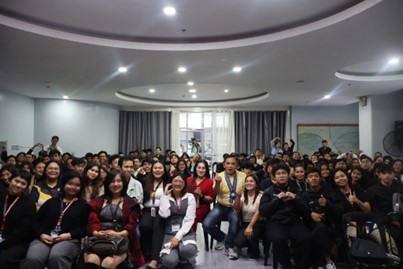
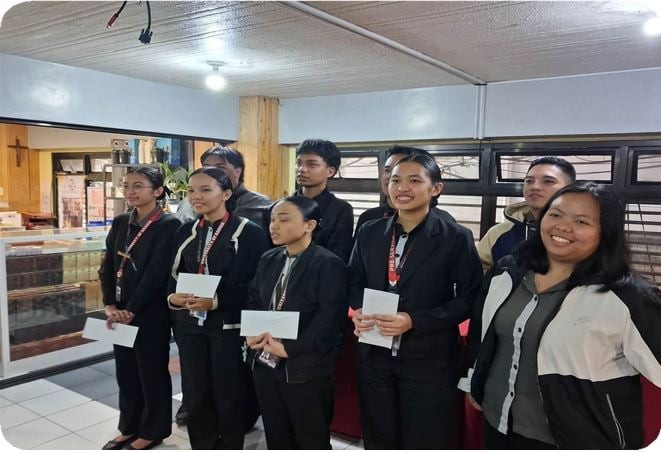
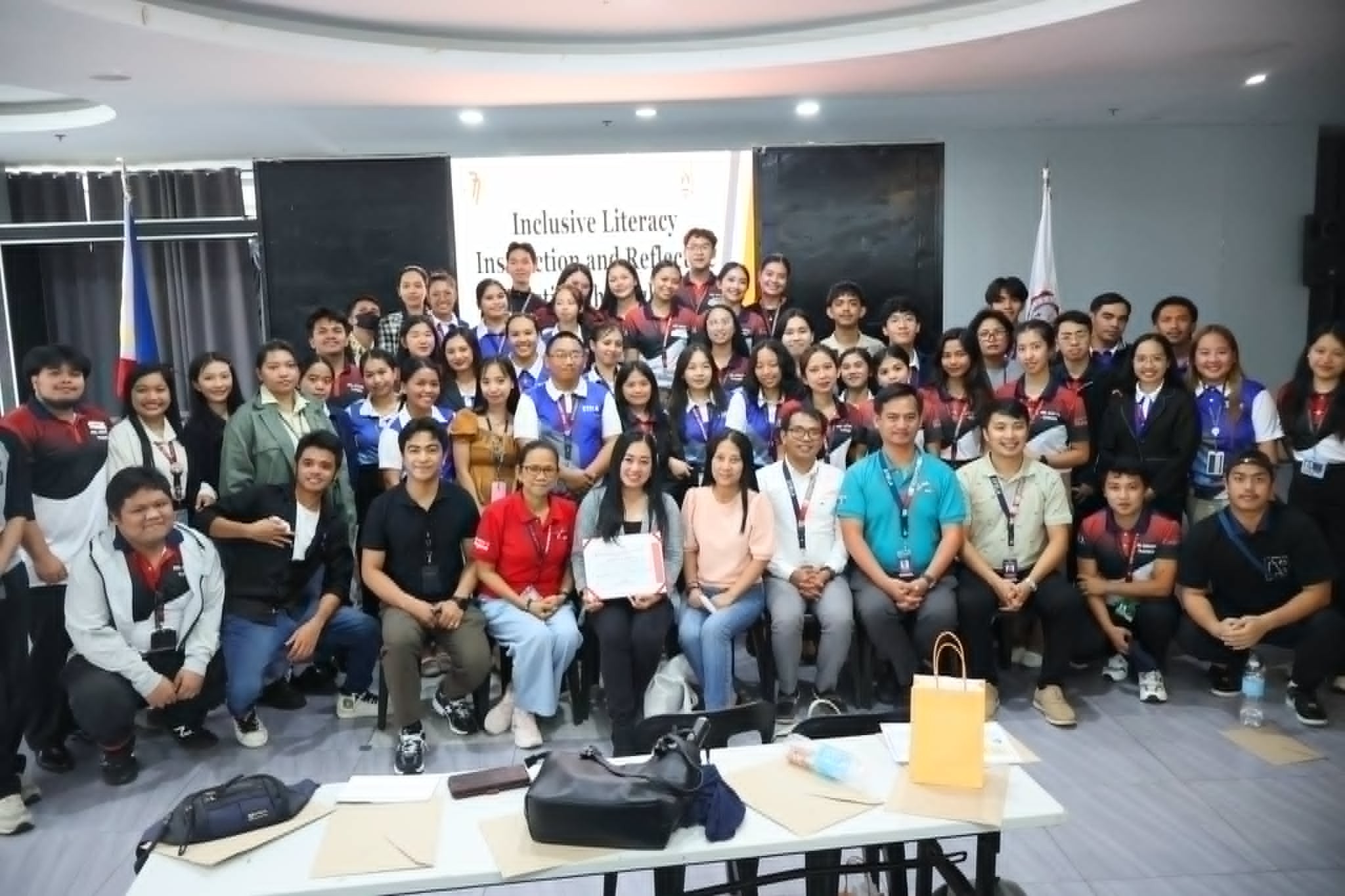
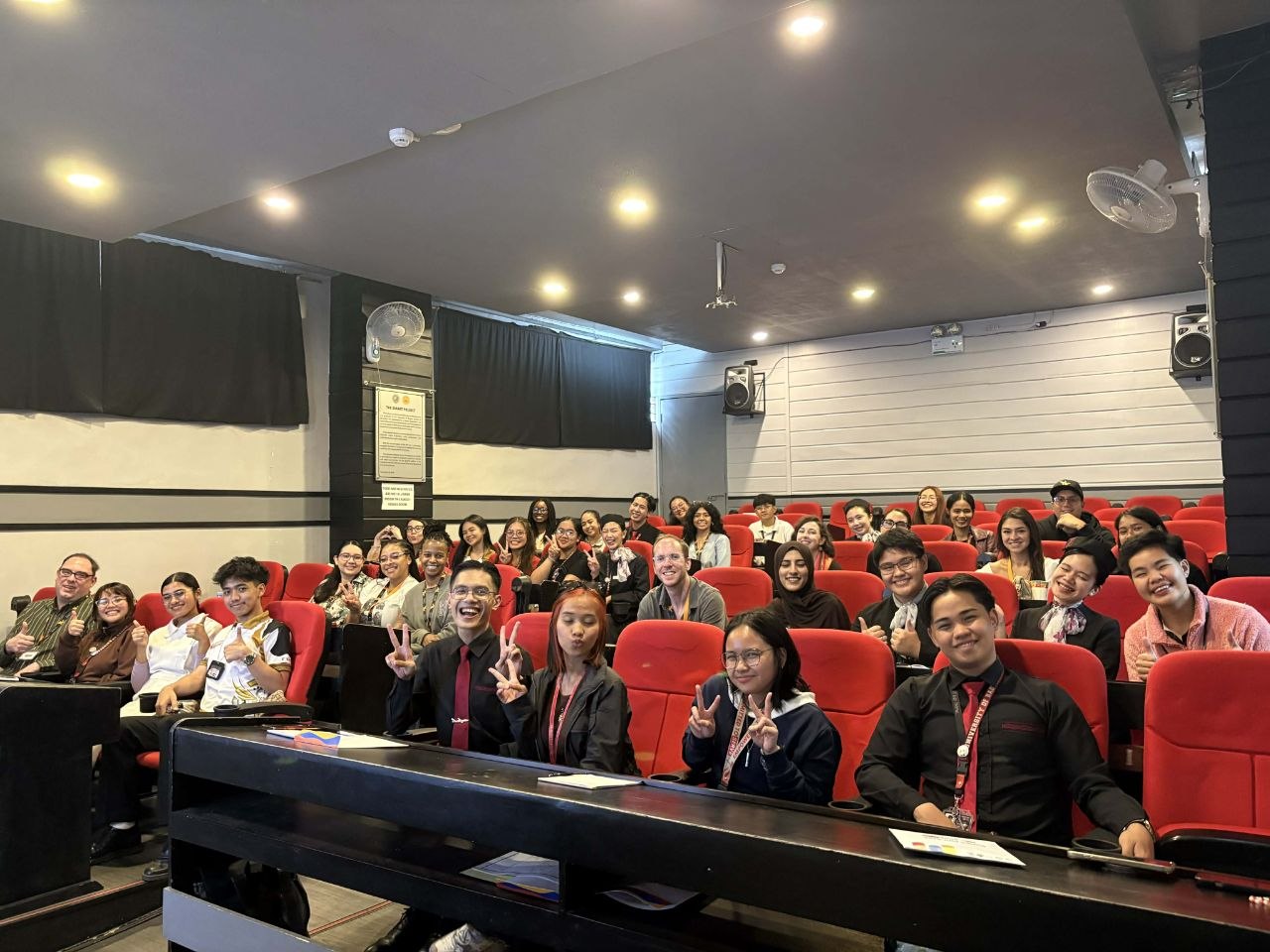
BAGUIO CITY – The School of Criminal Justice and Public Safety was invited by the Research Innovation Extension and Community Outreach (RIECO) together with the different student leaders from different programs of the University to participate in Venture 2 Impact Training Workshop on February 24, 2026, at the SMART/Alumni AVR on Campo Manes Street, Baguio City. Venture 2 Impact is an international organization that connects skilled volunteers, students, and professionals globally, specializing in experiential learning and impact-driven programs. The event was hosted by the Cordilleran Youth Council (CYC) and partnered with Venture 2 Impact to supplement student leaders with meaningful opportunities for growth and development that would be useful for their leadership skills.
The event featured leadership skills training, mentorship, community-driven initiatives, and cross-cultural collaboration and networking. The program enhances their skills in terms of decision-making, project management, communication, and creativity, enabling them to become more effective and proactive leaders within their respective schools and communities.
The event kicked off with Cordillera Youth Center introducing the event proper and the partnered organization. The first session of the event includes the discussion of the volunteers on marketing, entitled “Build a Clear & Consistent Brand Identity” that involves the importance of branding, the tangible and intangible elements, the proper choice of color, and creating of meaningful logos. Another topic presented was “Tell your story and grow your impact on social media,” which highlighted the power of social media platforms, the creation of videos, as wekk as the posting, captioning, and usage of hashtags.
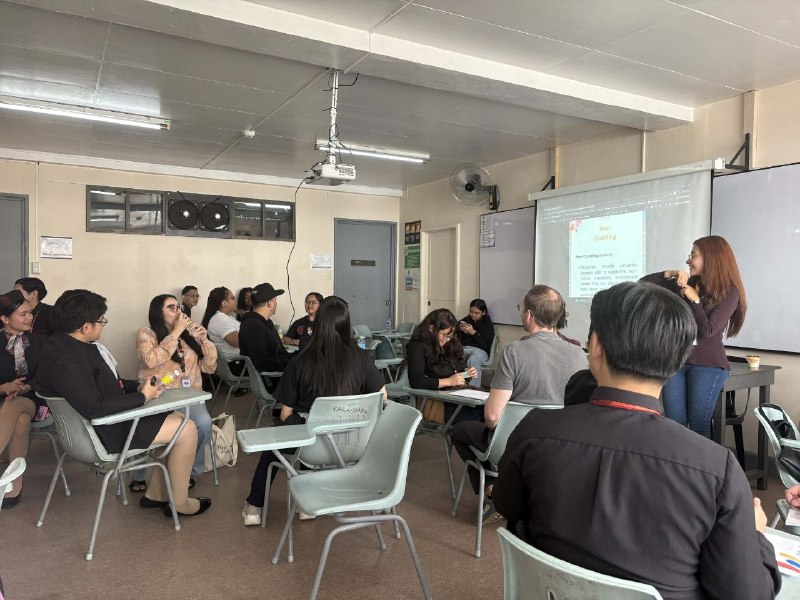
Moreover, the afternoon session involves the peer coaching session, wherein the participants are paired with different volunteers to discuss issues within their respective departments and collaboratively develop practical solutions to it. This interactive exchange fostered critical thinking, problem-solving, and teamwork among the participants.
The program strongly supported the United Nations’ Sustainable Development Goals (SDGs), specifically: SDG 4: Quality Education by providing the student participants with inclusive, equitable, and experiential learning opportunities through hands-on workshops, peer sessions, mentoring, and exposure to concepts that could be applied in real-life situations that strengthen their critical thinking, creativity, and problem-solving skills. The program also shows significant support for SDG 17: Partnership for the Goals, as it exemplifies the importance of collaboration in achieving sustainable development. Through this collaboration, it gave importance to the sharing of knowledge, resources, and global perspectives, fostering a more connected and supportive environment. Moreover, the program aligned with SDG 8: Decent Work and Economic Growth and SDG 11: Sustainable Cities and Communities by equipping student participants with essential skills that are beneficial not only for their future employability but also for community development. Through this workshop, participants were exposed to and prepared for becoming productive members of the workforce while also actively addressing real-world challenges within their communities.
Overall, the event is not just a workshop training, but it is a learning experience that brought together diverse ideas, initiatives, solutions, and most especially friendship and connections that share a goal of creating a meaningful change. The participants left with new, broader, and creative perspectives that enhanced their skills and global outlook. The experience stands as a testament to the value of experiential learning in shaping empowered and purpose-driven leaders.