Written by Alec Luigi Rallustian, Lizette Wyne Boaging, Jillian Kate Palangeo, Sharmaine Khate Laita, Nichole Faith Dumalili, and Keziah Mae Dalligos (SON, SNII)
Photos courtesy of Mr. Michael Lin (NTUNHS Faculty Member)
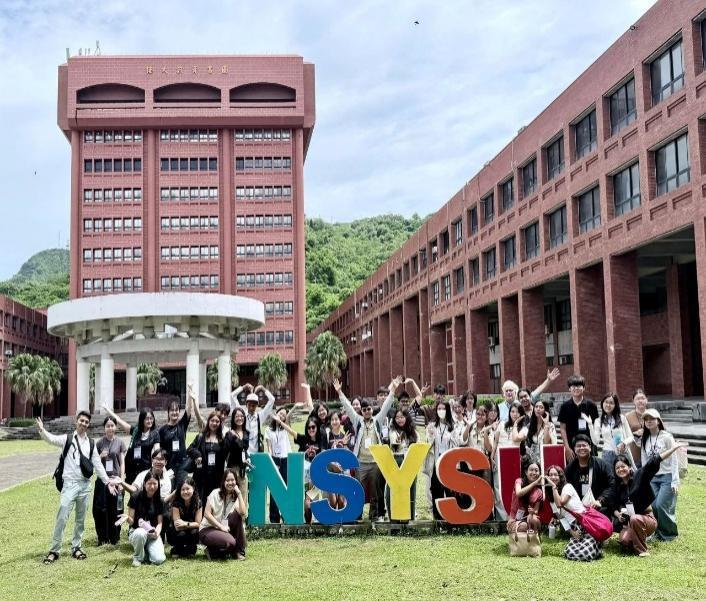
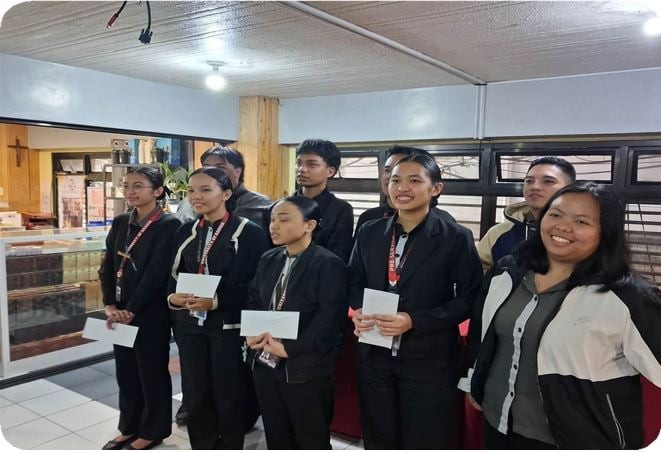
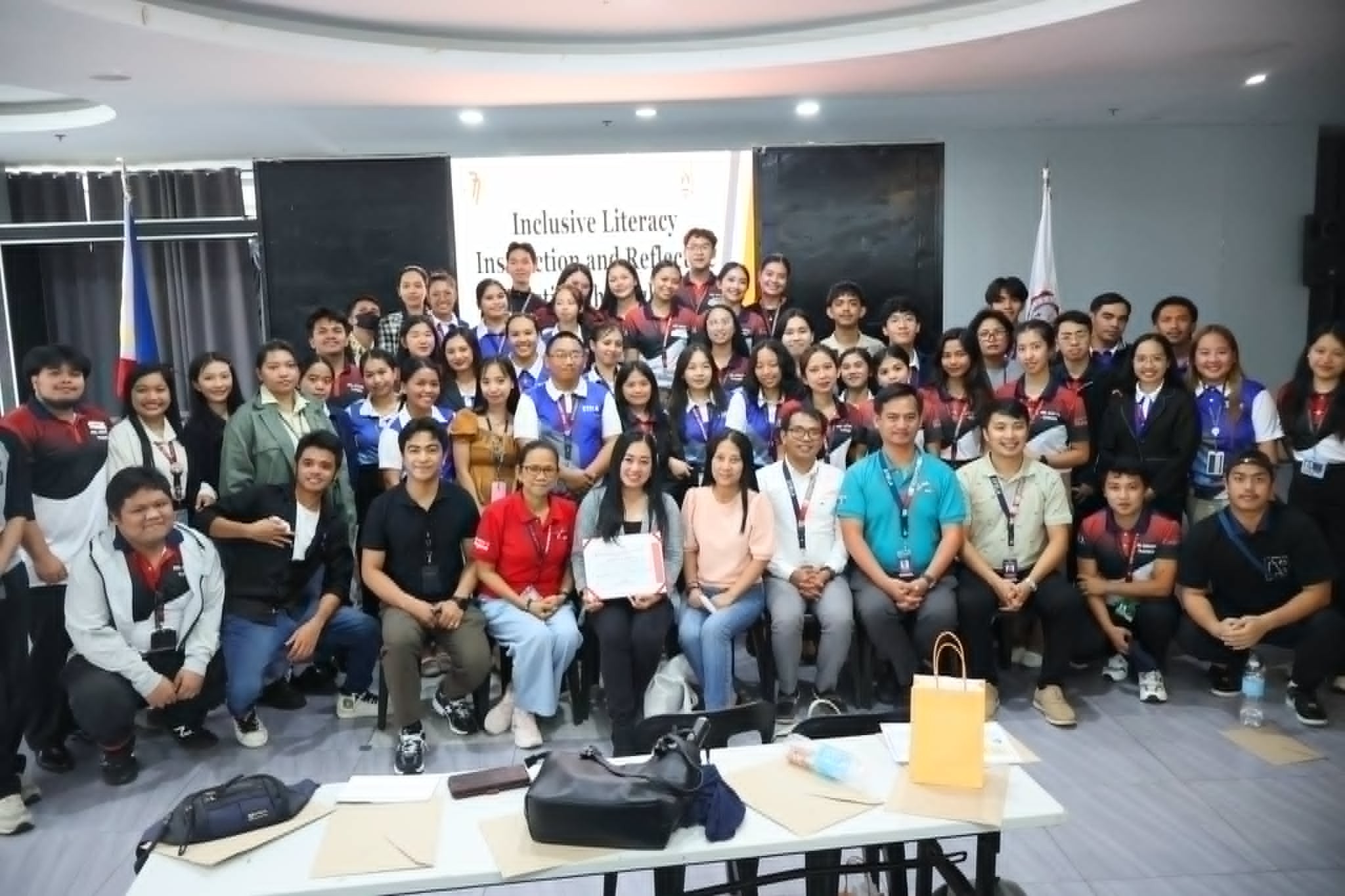
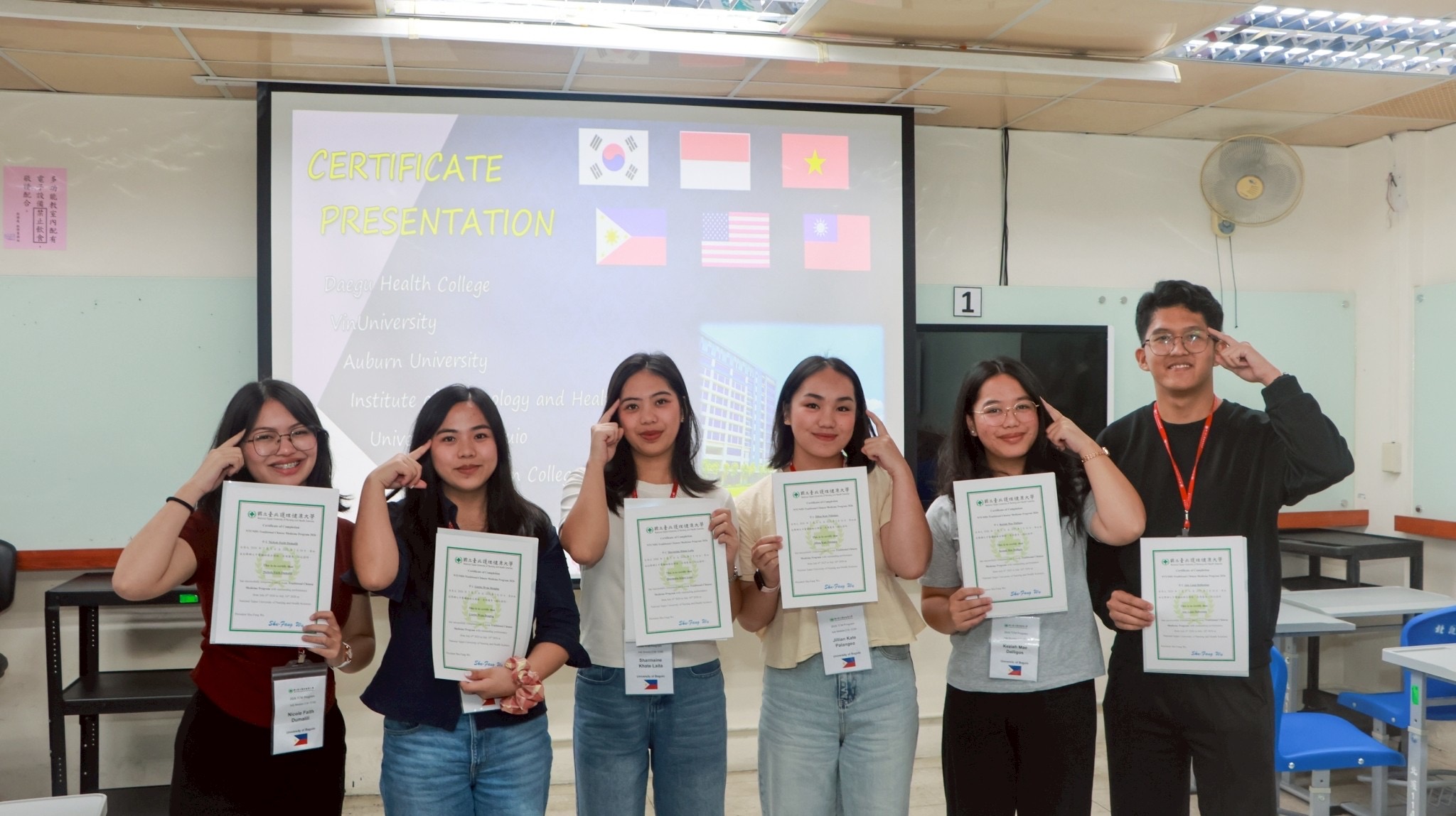
Six nursing students from the University of Baguio School of Nursing strengthened their global healthcare competencies through a 10-day Traditional Chinese Medicine (TCM) Exchange Program at the National Taipei University of Nursing and Health Sciences (NTUNHS) in Taiwan, gaining firsthand experience in Taiwan’s healthcare system and evidence-based traditional healing practices from July 6 to 16, 2026.
The student delegates, Alec Luigi Rallustian, Lizette Wyne Boaging, Jillian Kate Palangeo, Sharmaine Khate Laita, Nichole Faith Dumalili, and Keziah Mae Dalligos, participated in immersive learning experiences that introduced them to Taiwan’s healthcare system and evidence-based Traditional Chinese Medicine (TCM) practices, such as acupuncture, cupping therapy, scraping, therapeutic massage, and aromatherapy.
The 10-day summer exchange program brought together students from partner universities across different countries to learn about Traditional Chinese Medicine, Taiwan’s Healthcare system, and Taiwanese culture through lectures, practical activities, and healthcare visits.
As Taiwan’s first university dedicated to nursing and health sciences, NTUNHS has long been recognized for its leadership in nursing and health-related studies. Every Summer, the university opens its TCM Program to international students, providing opportunities to explore complementary healthcare practices while promoting cultural exchange and international collaboration.
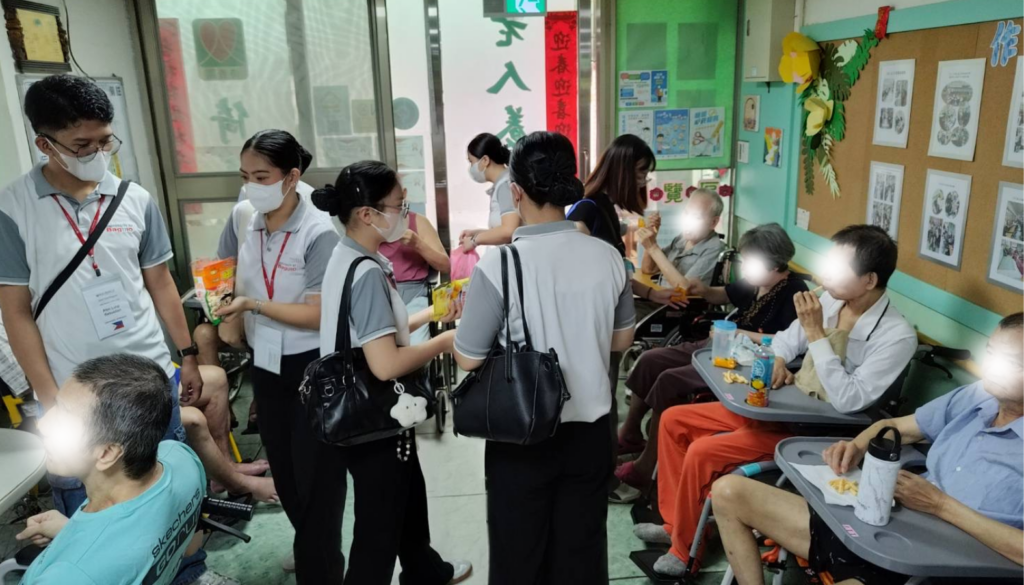
Aside from academic activities, the program introduced participants to Taiwan Culture and history. The students participated in volunteer work at a Nursing Home, where they interacted with older adults and learned about Taiwan’s approach to community-based and long-term care. They also had the opportunity to visit Taoyuan General Hospital, where they explored the institution’s advanced healthcare facilities and observed its approach to healthcare delivery. During their visits to historic cultural landmarks, the students explored Taiwan’s rich heritage, linking historical concepts of traditional wellness with modern clinical practice.
The program also served as a platform for intercultural learning. By interacting with students, faculty members, and healthcare professionals, the University of Baguio delegates strengthened their communication skills, developed greater cultural awareness, and built friendships that extend beyond the classroom.
Reflecting on the experience, the students shared that the program gave them a deeper appreciation of holistic healthcare and highlighted the importance of respecting different
healthcare traditions. Exposure to Traditional Chinese Medicine allowed them to see how therapies can work alongside evidence-based nursing practice to support patient-centered care.
Throughout the program, the students actively participated in academic lectures, cultural immersion activities, and collaborative learning sessions, showcasing professionalism, adaptability, and a passion for global nursing education. Their outstanding participation received positive feedback from NTUNHS administrators and academic leaders, who commended the delegation for representing the University of Baguio with excellence, earning another invitation from NTUNHS for August 2026 and January 2027 for the same program with another batch of delegates.
The successful participation of the delegation was made possible through the unwavering support and leadership of the University of Baguio School of Nursing administration, led by Dean Helen D. Alalag, alongside the faculty coordinators who facilitated the international mobility initiative. Their dedicated efforts continue to expand internationalization horizons for UB nursing students.
Furthermore, the 10-day exchange program aligns with the University of Baguio’s commitment to advancing the United Nations Sustainable Development Goals (SDGs). It contributes to SDG 3: Good Health and Well-Being by expanding nursing competencies to include evidence-based traditional and complementary therapies that foster holistic patient care. The initiative also supports SDG 4: Quality Education by offering students high-impact international clinical exposure and experiential learning opportunities. Finally, the program exemplifies SDG 17: Partnerships for the Goals through the sustained institutional alliance between the University of Baguio and the National Taipei University of Nursing and Health Sciences, paving the way for continuous international collaboration in global nursing education.
The success of the exchange also opened new opportunities for international collaboration. Inspired by the experience, NTUNHS administrators expressed interest in exploring a reciprocal student exchange program with the University of Baguio, allowing NTUNHS students to experience Philippine nursing education and community-based healthcare.