Written by Maezzie Francelle Celestino and Dianne Rose Daileg
Photo Courtesy of Office of Student Affairs (OSA)
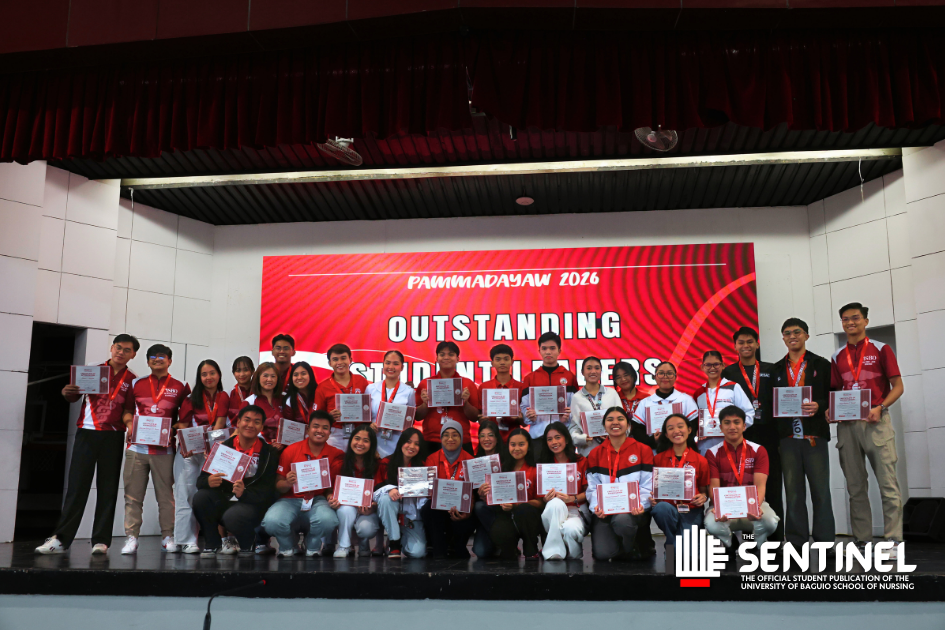
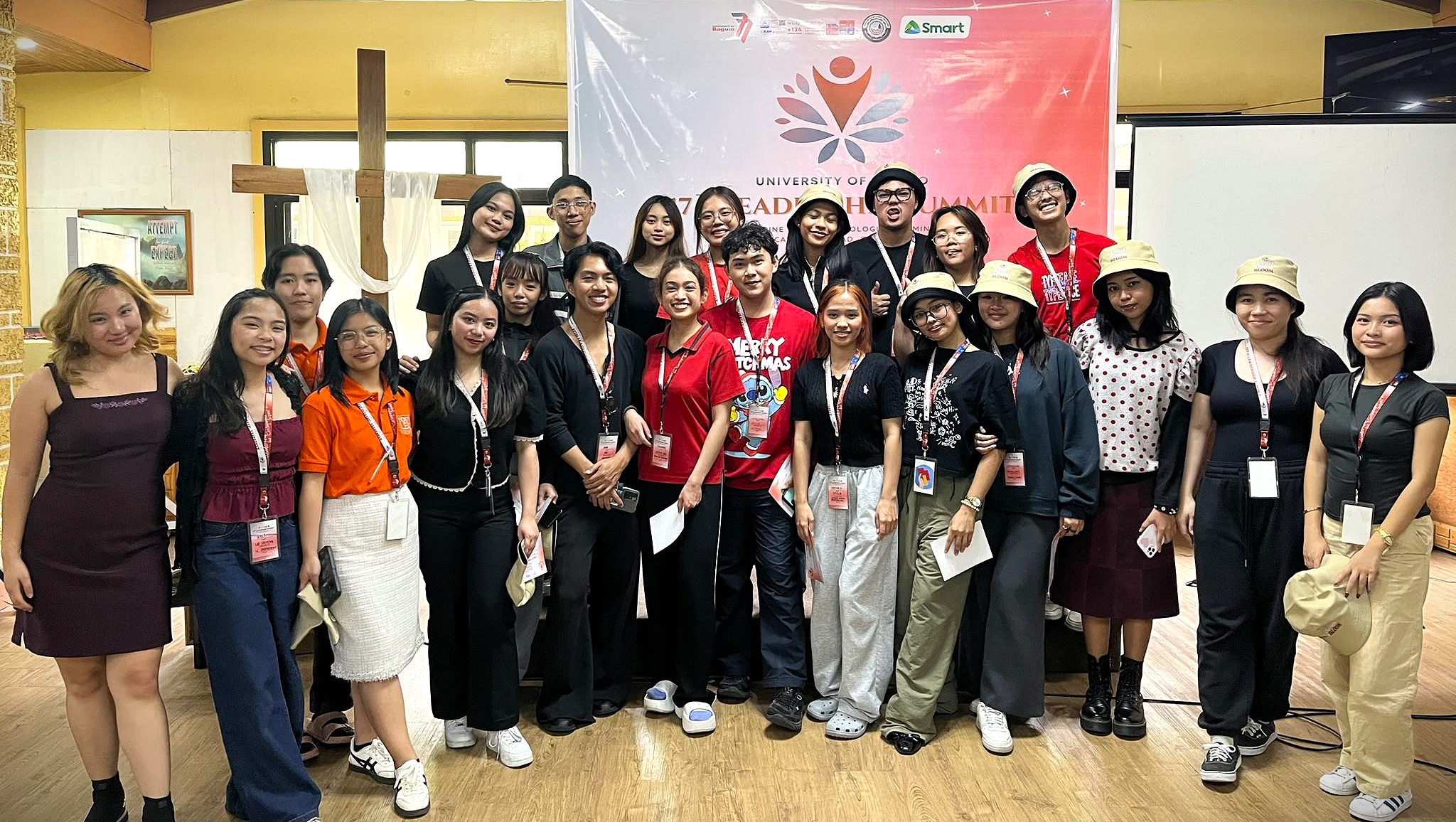
The University of Baguio gathered student leaders from different schools for the 17th Leadership Summit on February 27-28, 2026, at the Philippine Baptist Theological Seminary. The summit carried the theme “UB Leaders: BLOOM – Building Leadership through Opportunities, Optimism, and Mindfulness”, organized by the Office of Student Affairs (OSA). The event aims to teach leaders how to lead and become one.

By inviting two speakers, the summit guided participants towards the purpose of the event, which was to help student leaders develop their leadership skills and their sense of responsibility and service.
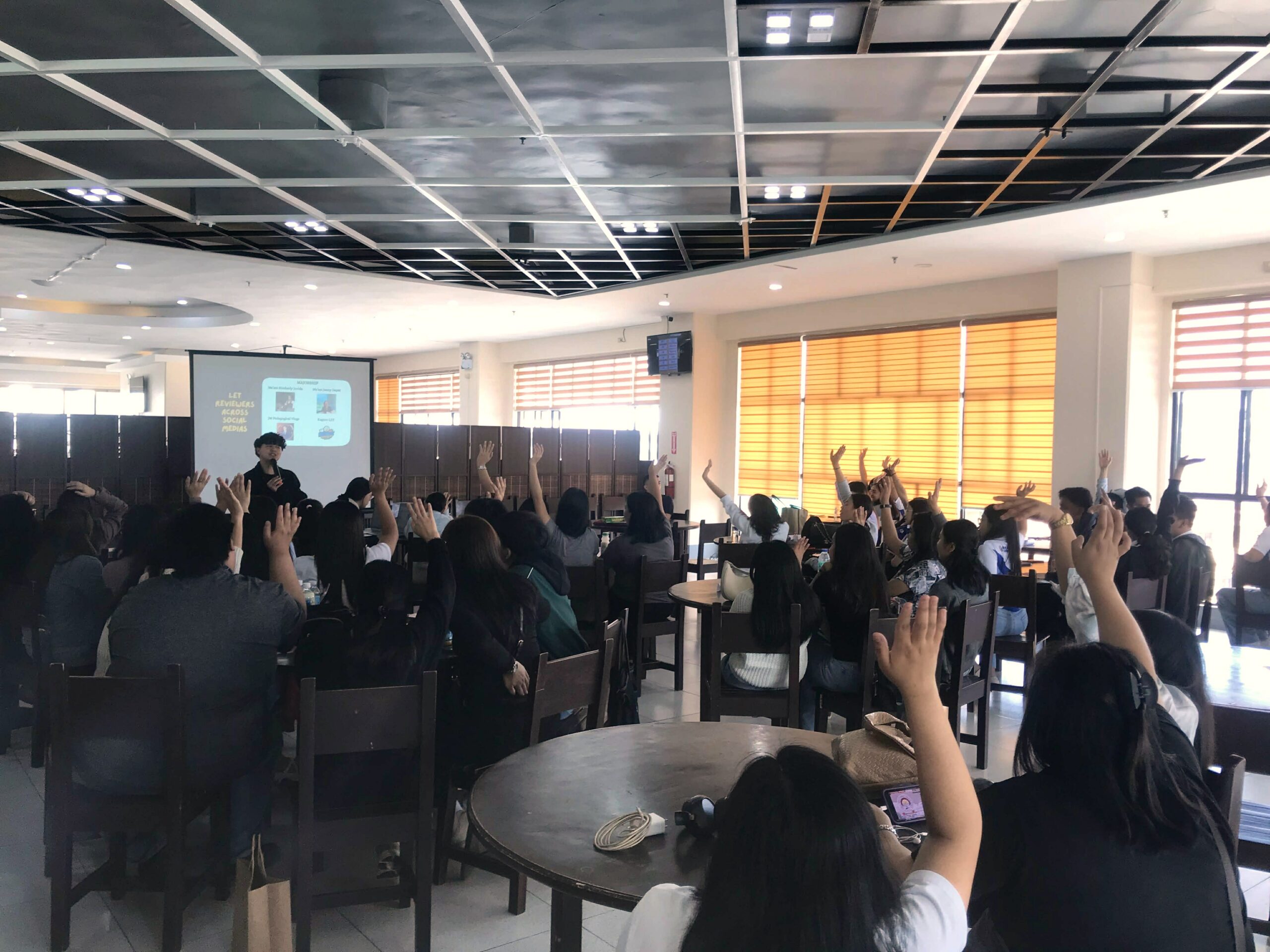
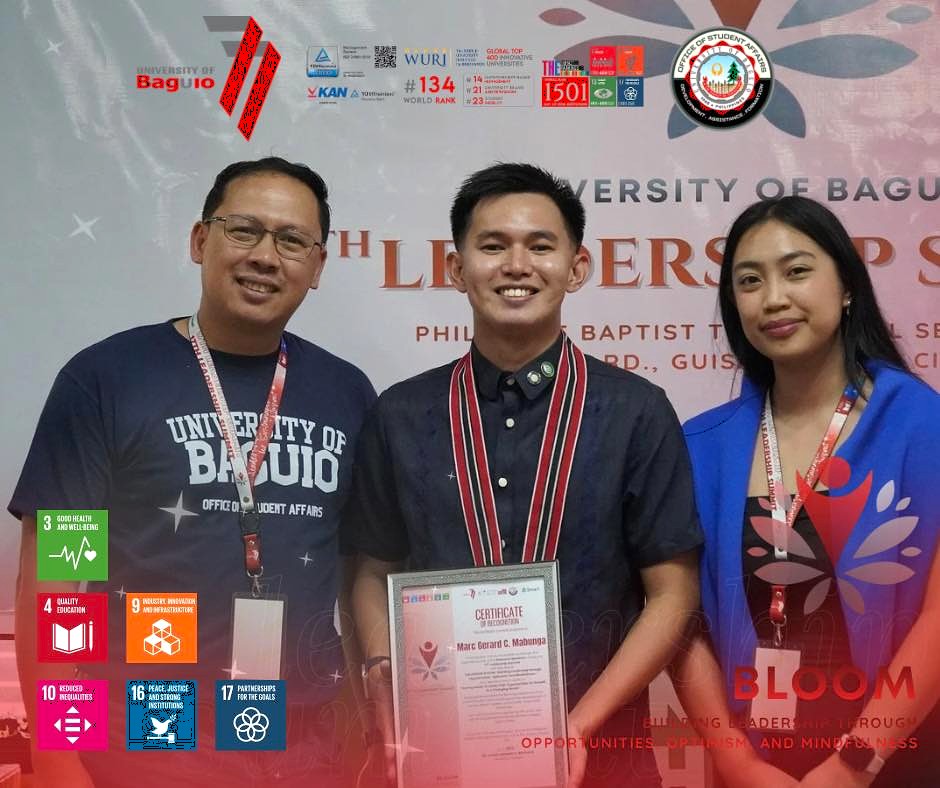
The first speaker, Mr. Marc Gerald Mabunga, discussed a topic called “Sowing the Seeds of Leadership: Opportunities for Growth in a Changing World.” In his talk, he shared personal insights on the importance of leaders practicing responsibility and accountability. A leader does not force people to follow him, according to the speaker. Instead, they inspire others to move together with a shared vision. Moreover, he encouraged student leaders to be vocal about their advocacies and continue raising awareness among others.
He stressed the need for having a clear vision because every decision one makes has an impact on the organization. According to him, by having a clear stance, leaders are able to influence others with purpose. While leadership can be intimidating, he urged everyone to embrace it, even with fear. Mr. Mabunga emphasized that true service is selfless. A good leader must be humble, adaptable, grounded in values, and have a heart of service.
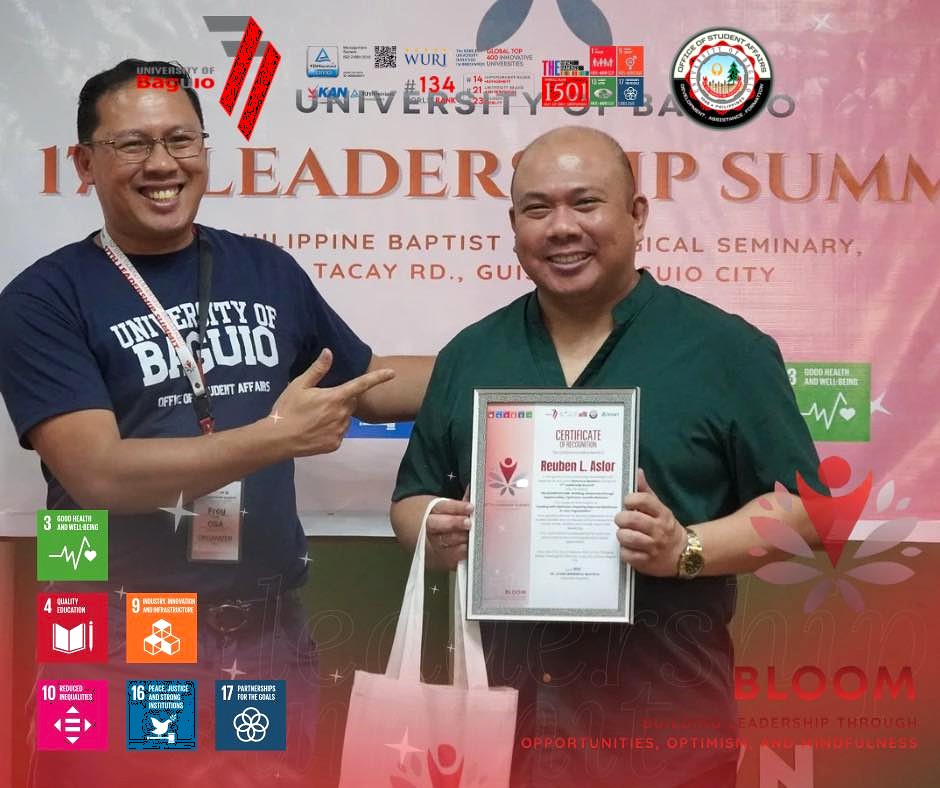
After his talk, the second speaker, Mr. Reuben Aslor, led a discussion on the topic “Leading with Optimism: Inspiring Hope and Resilience in Your Organization.” The start of his presentation was based on a quote from Ronald Reagan, “The greatest leader is not necessarily the one who does great things; he is the one who gets people to do the greatest things.” Mr. Aslor reminded the audience that a leader is not simply the one who achieves great things alone but the one who encourages others to accomplish great things together. He focused on the importance of building resilience within their organizations.
This led to the introduction of the Stockdale Paradox. This concept describes how challenges are indeed present, but humans must retain their faith and fight the adversaries because they will prevail in the end. Mr. Aslor stated that if there is no other choice, leaders should cross the fire, not avoid it. One key thing mentioned was also the concept of the chief energy officer. Instead of the chief executive officer, the executive was changed to energy because leaders should be a source of positive energy for the other people. This means being an inspiration to others, but it can only be done by prioritizing oneself. As they said, you cannot pour from an empty cup. By doing this, leaders can strengthen unity within their organizations and inspire hope in others.
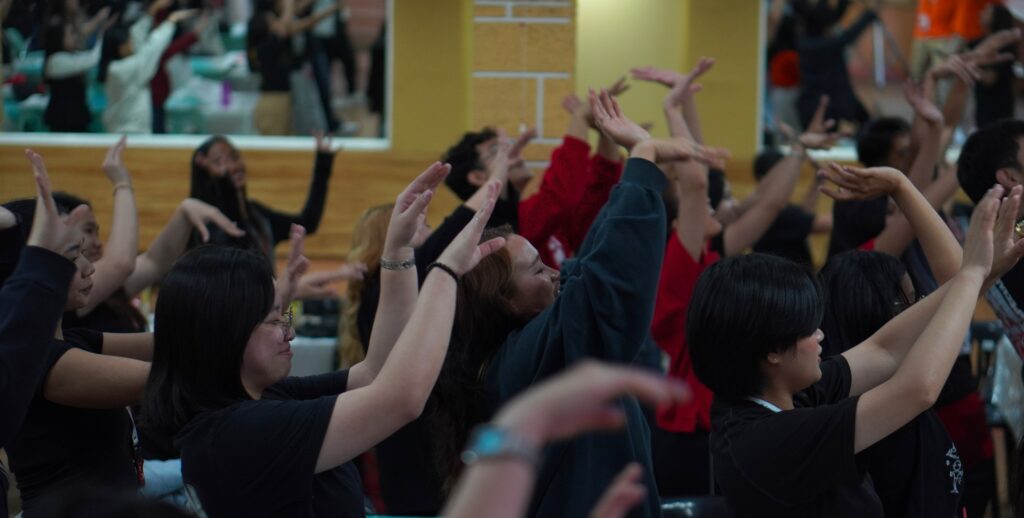
The leadership summit also connects with the goals of the United Nations Sustainable Development Goals (SDGs), particularly SDG 4: Quality Education, SDG 16: Peace, Justice, and Strong Institutions, and SDG 17: Partnership for the Goals. This is through the meaningful discussions held by the speakers. They prepare the students to become responsible leaders in contributing to strengthening and betterment of communities and institutions.
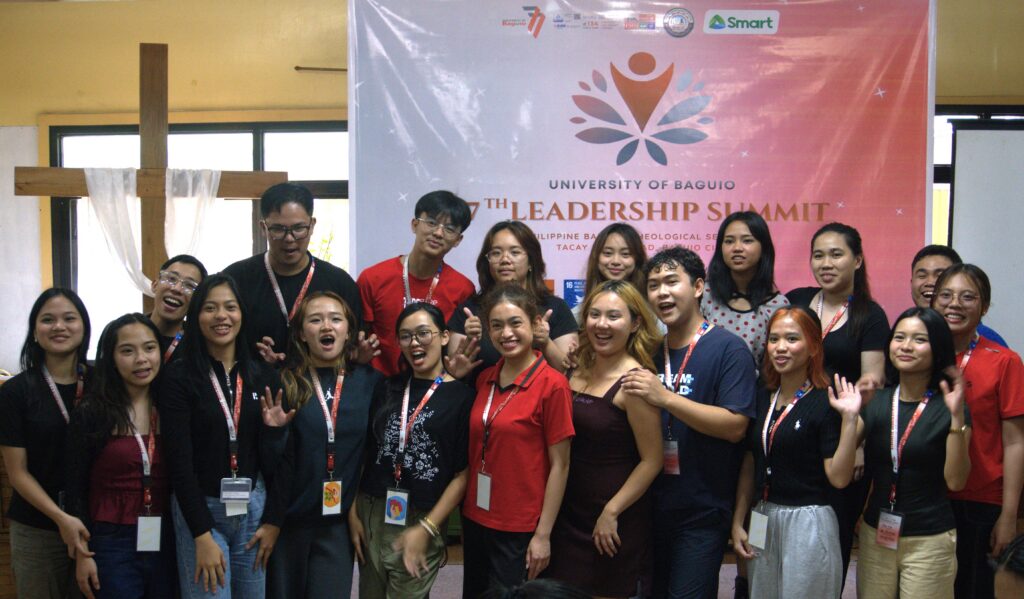
Discussions and forum sessions inspire leaders to be the best they can be, to Believe, Excel, Serve, and Transform. Through these lessons, student leaders are encouraged to continue to grow, lead with purpose, bring positive change, and service within their communities.