Written by Jerric Panayo
Photographs courtesy of Azzele Labay
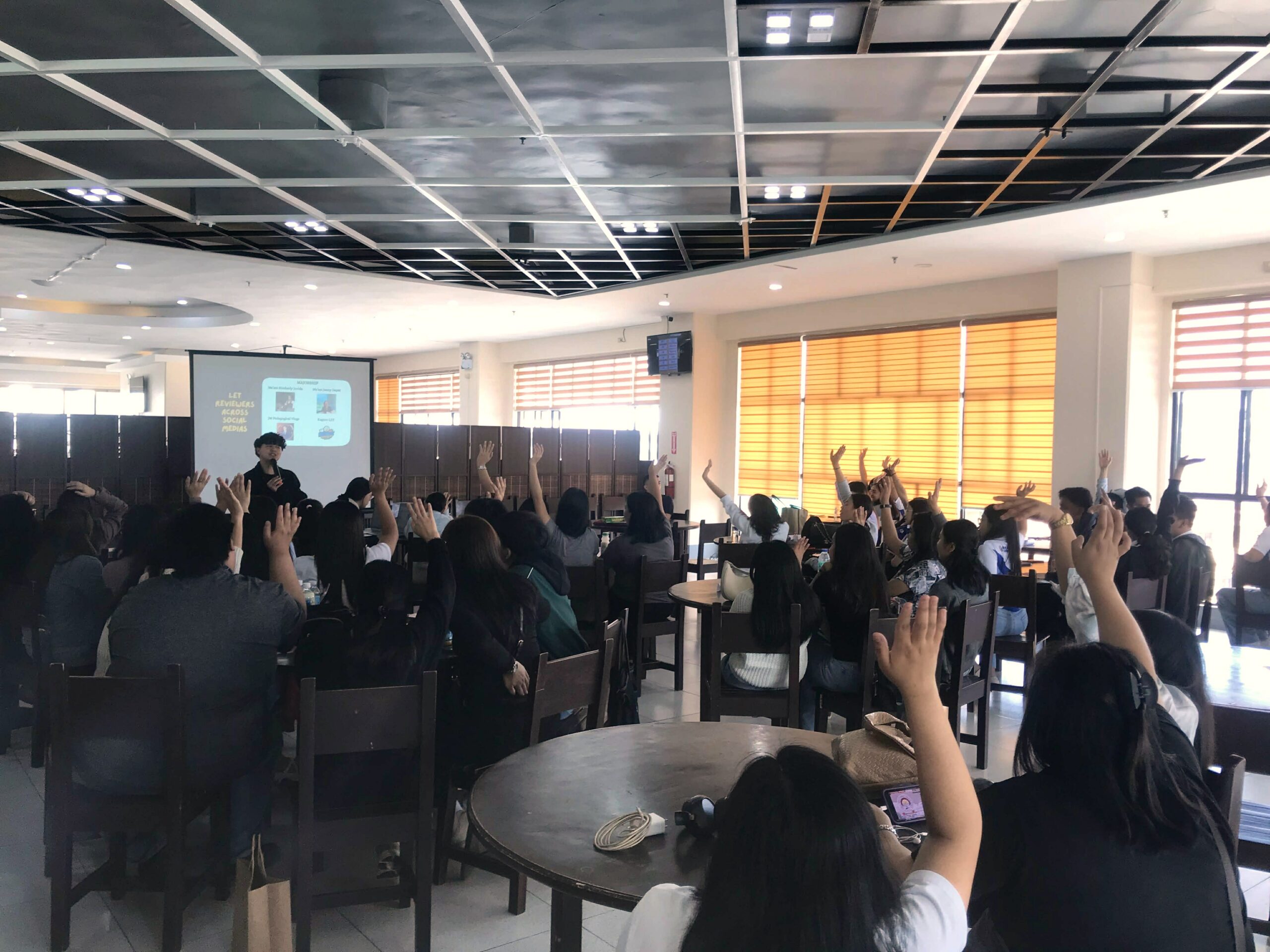
On January 17, 2026, students from the School of Information Technology (SIT) attended an On-the-Job Training (OJT) orientation at the UB Centennial Library. The seminar focused on helping students troubleshoot simple printer problems and cleaning PCs, workplace safety and accident prevention equipped students with essential knowledge on identifying hazards, understanding accident causation, and developing a safety-first mindset before entering their respective industries, also an understanding on surviving the first job and the requirements needed to pass during OJT.
Aligning with the United Nations Sustainable Development Goals (SDGs) 4: “Quality Education” through comprehensive training on occupational safety and health, 8: “Decent Work and Economic Growth” by promoting safe working environments and protecting workers from harm, 9: “Industry, Innovation, and Infrastructure” with discussions on proper work systems and safety protocols in various industries, and 17: “Partnerships for the Goals”, where the Occupational Safety and Health Center (OSHC) and the University of Baguio collaborated to make this educational orientation possible.
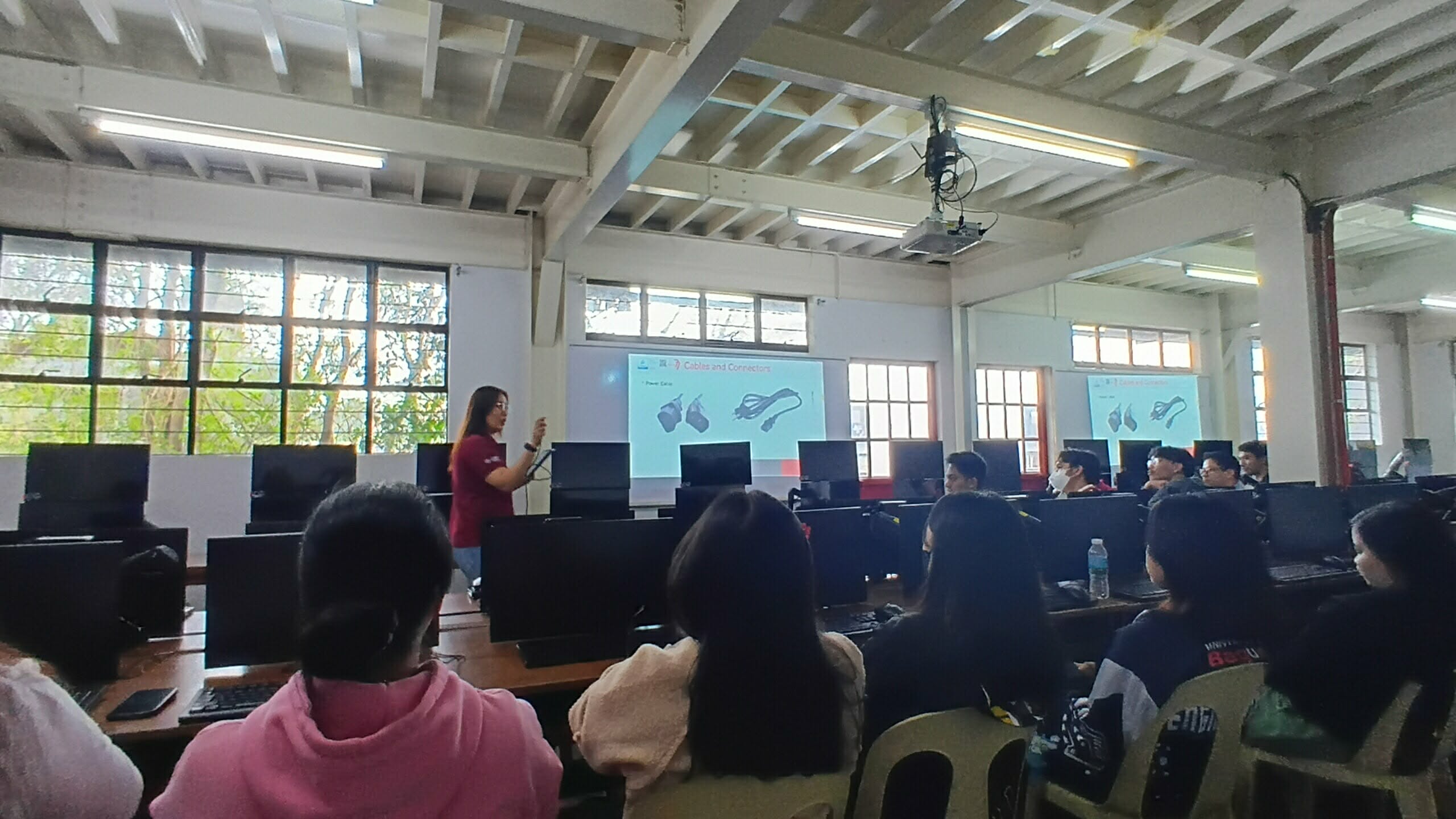
Before proceeding to the Centennial Hall, Computer Engineering (CPE) students first participated in a Basic Troubleshooting Session held at the CA01 Computer Laboratory of the University of Baguio. The session was facilitated by Ma’am Catherine Reyes, who provided the students with an overview of what to expect in an actual workplace setting during their training.
During the session, she conducted hands-on demonstrations on how to troubleshoot common printer issues and properly clean system units. She emphasized the importance of professionalism, safety, and clear communication in the workplace. Students were reminded to always ask questions and seek guidance rather than act independently without proper authorization. She stressed that no task should be performed without the supervisor’s permission. For example, if a situation requires removing the third prong of a power plug, which serves as grounding protection, students must first suggest the action and obtain approval before proceeding.