Written by Apple Jade Locutan and Crystal Jade Meyer
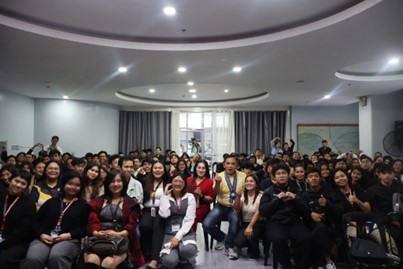
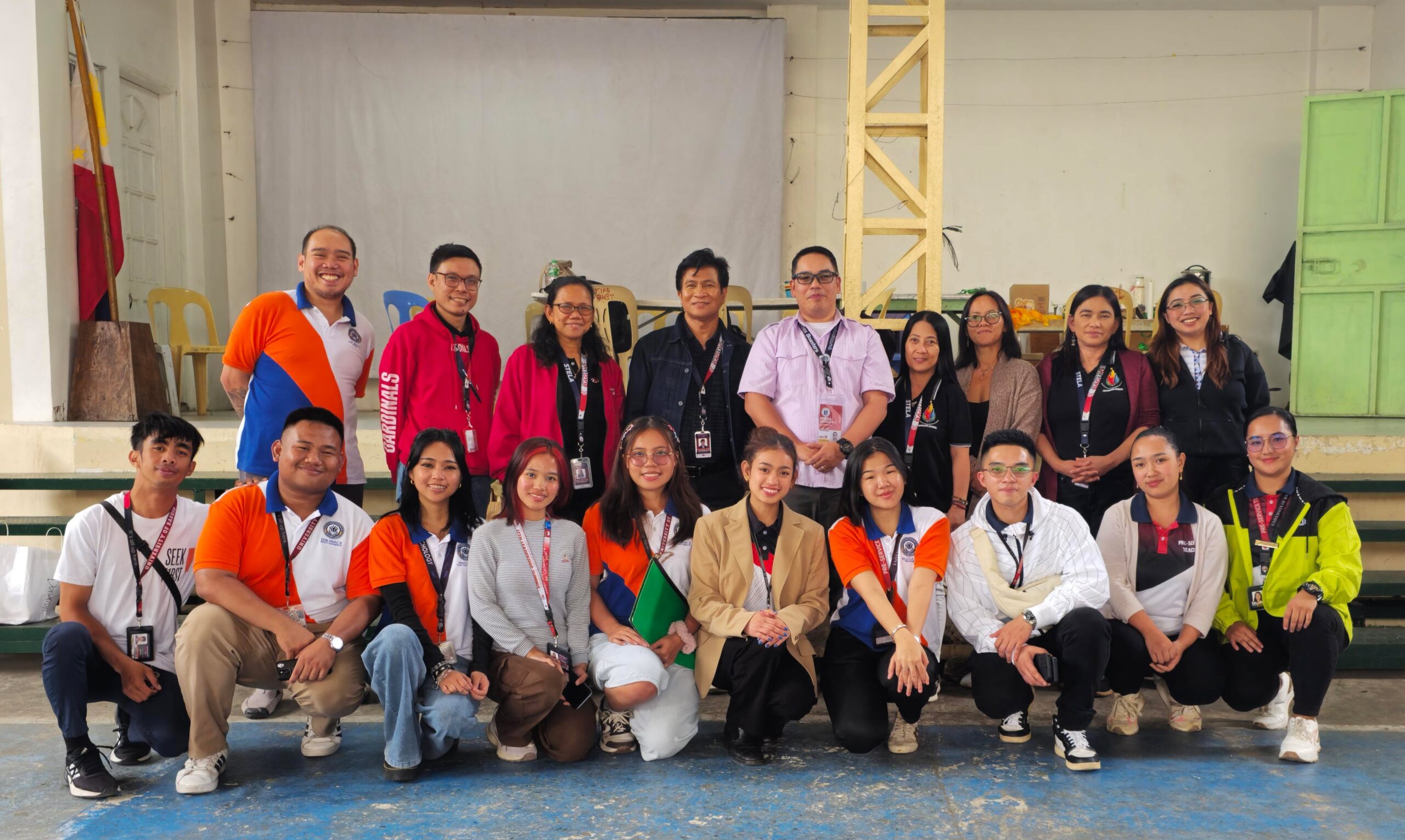
On March 19, 2026, we, fourth-year Bachelor of Secondary Education students majoring in English, were given the valuable opportunity to participate in an outreach program at Kias Elementary School. This experience was not merely an extension of our academic responsibilities but a meaningful engagement that deepened their understanding of the teaching profession. Having previously conducted a similar initiative at Lindawan Elementary School, the program was approached with a heightened sense of awareness, responsibility, and commitment to service.
The outreach program provided a setting where theory met lived reality. While academic preparation has equipped the students with pedagogical knowledge and instructional strategies, it is through experiences such as this that they begin to understand the broader context of education. The learners they encountered reminded them that education is not solely defined by structured lessons and formal assessments, but also by the built relationships and the extended encouragement. In this sense, John Dewey’s assertion that “Education is not preparation for life; education is life itself” becomes evident, as the experience itself becomes a meaningful expression of learning.
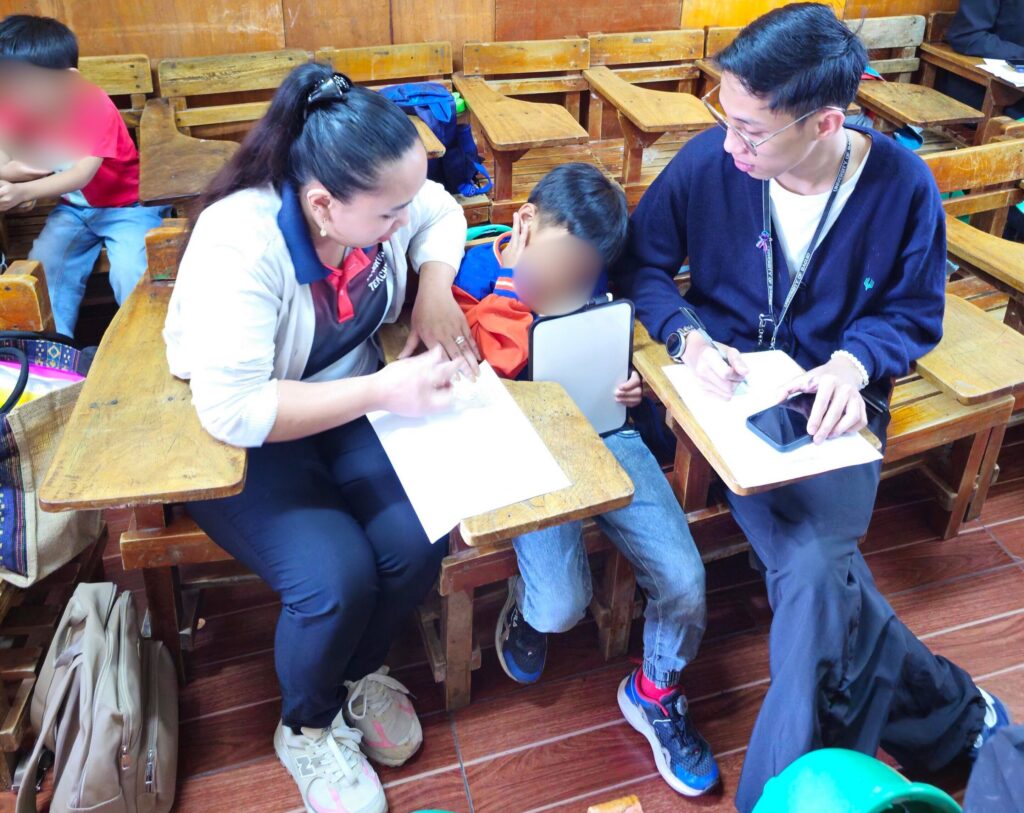
The interaction with the pupils of Kias Elementary School revealed both the challenges and the rewards of teaching in diverse contexts. Despite limited resources, the students demonstrated enthusiasm, curiosity, and a genuine willingness to learn. Their active participation affirmed that meaningful learning can flourish when guided by patience, creativity, and sincere intention. More importantly, this experience clearly showed that learning does not occur only within the classroom. As UB’s collegiate volunteers taught, they also learned. They learned from the learners’ resilience, their openness, and their appreciation for even the simplest forms of instruction. In this process, teaching became a shared experience rather than a one-sided task. The realization that we, too, grow while teaching stands as one of the greatest rewards we can receive.
This experience reflects the Philippine Professional Standards for Teachers, particularly Domain 3, which emphasizes responsiveness to learner diversity, and Domain 6, which highlights the importance of community engagement. It also resonates with Lev Vygotsky’s belief that “Learning is a social process,” emphasizing that knowledge is constructed through interaction and shared experiences.
Moreover, this outreach initiative aligns with the United Nations Sustainable Development Goal 4, which promotes inclusive and equitable quality education for all. By reaching out to learners in Kias Elementary School, UB’s future educators contribute to the broader goal of making education accessible to every child. As Nelson Mandela stated, “Education is the most powerful weapon which you can use to change the world.” This experience shows how simple efforts can create a meaningful impact in the lives of learners.
Equally significant was the opportunity to collaborate as a group. The success of the outreach program was grounded in our collective effort to plan and implement activities that were both engaging and purposeful. Through this collaboration, we strengthened important professional values such as teamwork, adaptability, and accountability. This reflects Paulo Freire’s perspective that “Education does not change the world. Education changes people. People change the world,” reminding us that our role as future educators is closely connected to social transformation.
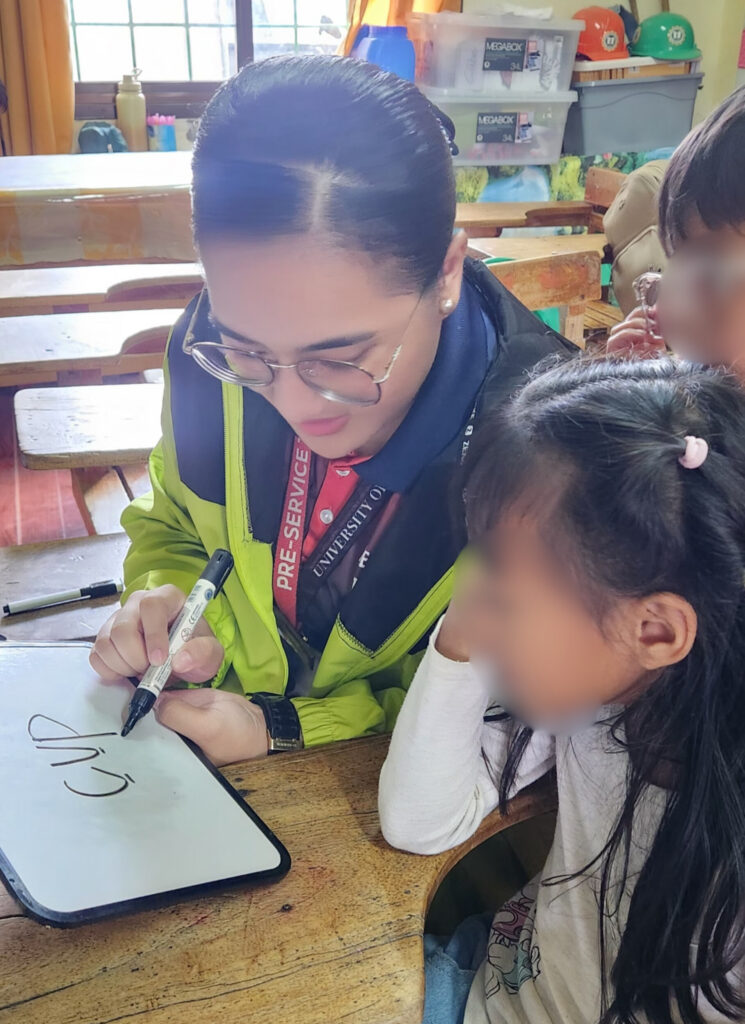
Furthermore, the experience cultivated a deeper sense of social responsibility. It allowed us to witness the realities faced by many learners and highlighted the importance of extending educational support beyond conventional settings. It reaffirmed that teaching is not limited to delivering content, but is a commitment to empathy, service, and human connection. In this regard, Aristotle’s idea that “Educating the mind without educating the heart is no education at all” becomes especially meaningful, as the outreach program nurtured both intellectual and emotional growth.
When viewed alongside our previous outreach at Lindawan Elementary School, this experience reflects our growth not only in skills but also in perspective. What was once approached as a requirement is now embraced as a purposeful endeavor aligned with our developing professional identity. We have come to understand that each outreach program is an opportunity to practice the values we aspire to uphold as educators.
In conclusion, the outreach program at Kias Elementary School stands as a significant milestone in our journey toward becoming professional teachers. It strengthened our commitment to the profession and affirmed our desire to become educators who are knowledgeable, compassionate, and socially responsive. As we continue forward, we carry with us the lessons gained from this experience, guided by the belief that true education is rooted in service, connection, and a sincere dedication to the growth of every learner.