Written by Reimijane Bocarile, Liezel Ann Buya, Jay Vee Lloyd Gayao, Queen Arvy Geronimo, and Lee Ian Veneracion
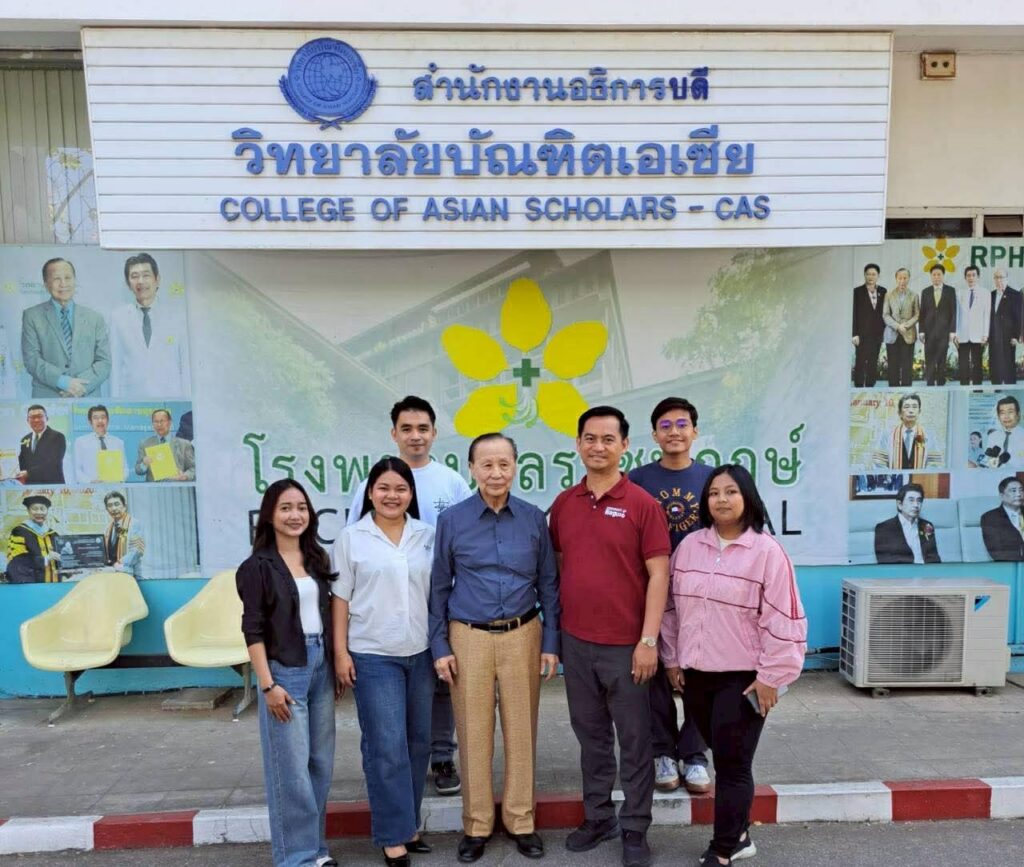
On Wednesday, February 4, 2026, the STELA delegates met Dr. Krasae Chanawongse, a Ramon Magsaysay Awardee and the founder of the College of Asian Scholars, at the College of Asian Scholars in Khon Kaen City, Thailand. Dr. Chanawongse warmly welcomed the delegates into his office, where he hosted them for lunch and delivered an inspirational talk he referred to as a “lunch lecture.”
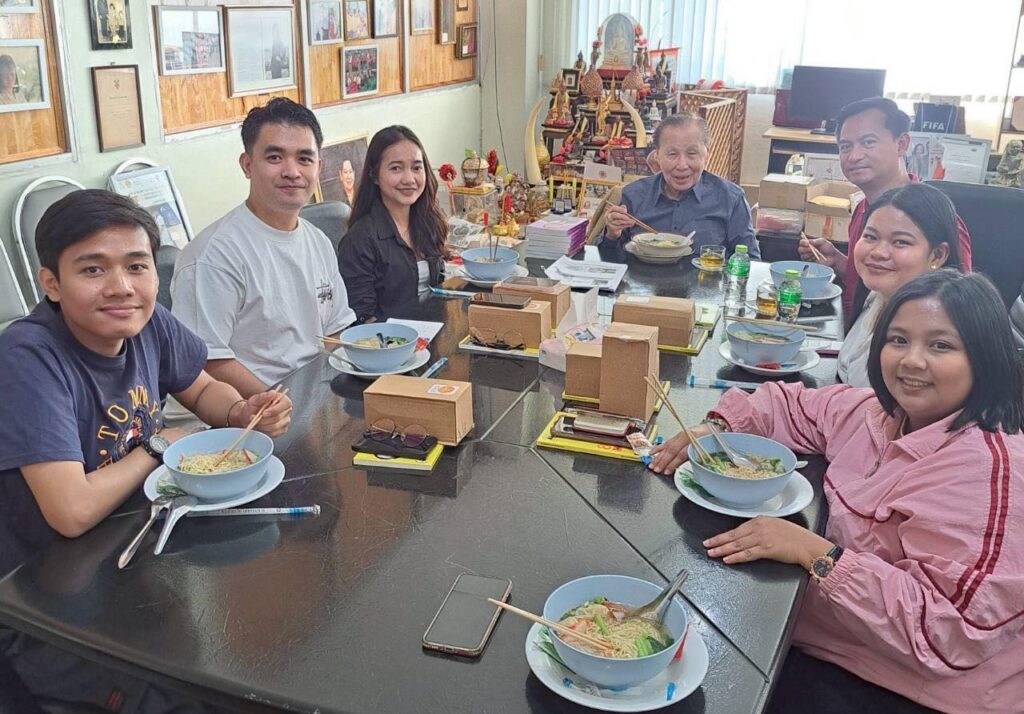
During the discussion, Dr. Chanawongse emphasized leadership development, sharing that mentoring and guiding the younger generation has been his lifelong passion. His lecture strongly reflected the values of Sustainable Development Goal (SDG) 4: Quality Education, as he highlighted the importance of nurturing socially responsible, service-oriented, and value-driven leaders.
One of the most notable topics he discussed was leadership in rural settings, particularly in the communities where the student teachers were assigned. Drawing from his extensive experience, Dr. Chanawongse outlined five essential principles for working effectively in rural communities. First, he emphasized focus, encouraging student teachers to actively seek meaningful opportunities to serve and help others. Second, he stressed the importance of flexibility and efficiency, acknowledging that rural communities have unique conditions that require adaptability. Third, he underscored the value of being friendly and approachable, noting that genuine happiness and positivity help build trust and strong relations within the community. Fourth, he highlighted the need to be well-informed, urging student teachers to thoroughly understand the community’s situation and to share accurate and reliable information. Finally, he advised them not to complain, explaining that while challenges and a lack of recognition may arise, expressing complaints can undermine trust and credibility among the people they serve.
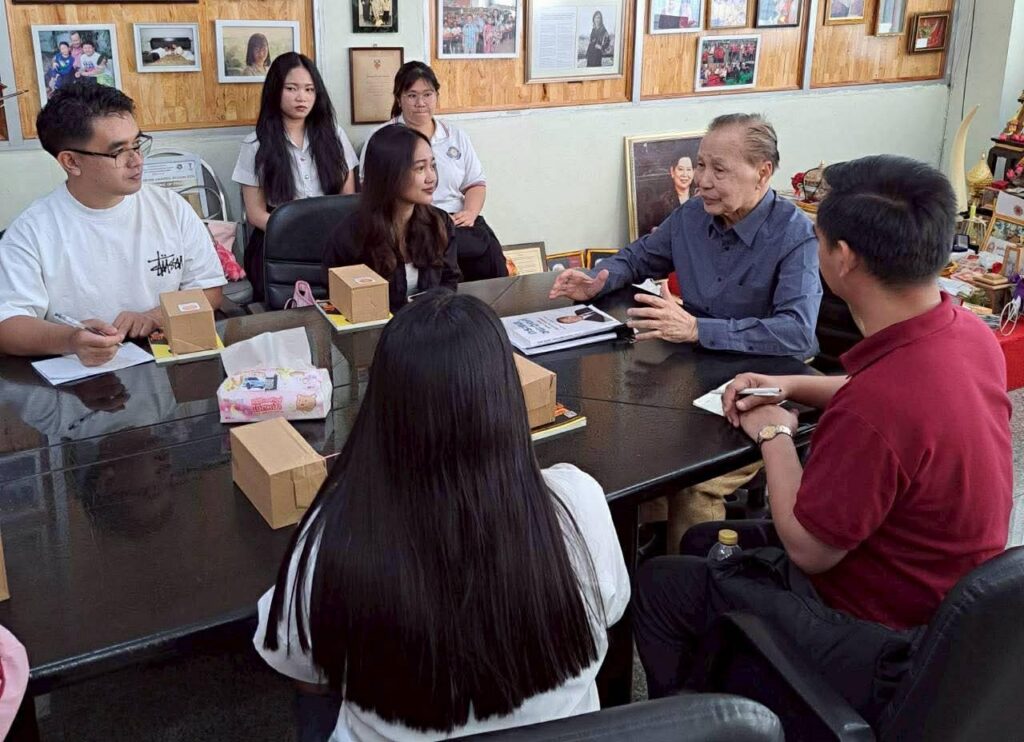
In further emphasizing inclusive and people-centered leadership, Dr. Chanawongse shared that helping people learn is more effective than merely teaching them, as learning becomes meaningful when individuals are empowered rather than instructed. He also noted that a community leader does not necessarily need formal qualifications but must be widely accepted by the people. These insights align with Sustainable Development Goal (SDG) 11: Sustainable Cities and Communities, as they underscore the importance of participatory leadership, social cohesion, and community trust in building resilient and inclusive communities. By fostering empowerment, shared responsibility, and local acceptance, such leadership practices contribute to sustainable long-term social well-being.
Dr. Chanawongse also offered a compelling definition of leadership, stating,
“Leadership is when you say something, people believe you. When you do something, people support and help you.”
This perspective reflects the core principles of Sustainable Development Goal (SDG) 16: Peace, Justice, and Strong Institutions, which emphasizes ethical leadership, accountability, and the strengthening of institutions through public trust.
The encounter was a humbling and memorable experience for the STELA delegates. Being referred to as “friends” by a distinguished eeducator and a visionary leader — the founder of the College of Asian Scholars, Krasae Pattana School, and Phon Commercial and Technical College — reinforced the spirit of mutual respect, mentorship, and global partnership, aligning with Sustainable Development Goal (SDG) 17: Partnerships for the Goals.