Written by Chadray Guisa-ed
Photos courtesy of Chadray Guisa-ed, Alliah Andrea Pasahol, and Shane Ivy Castillo
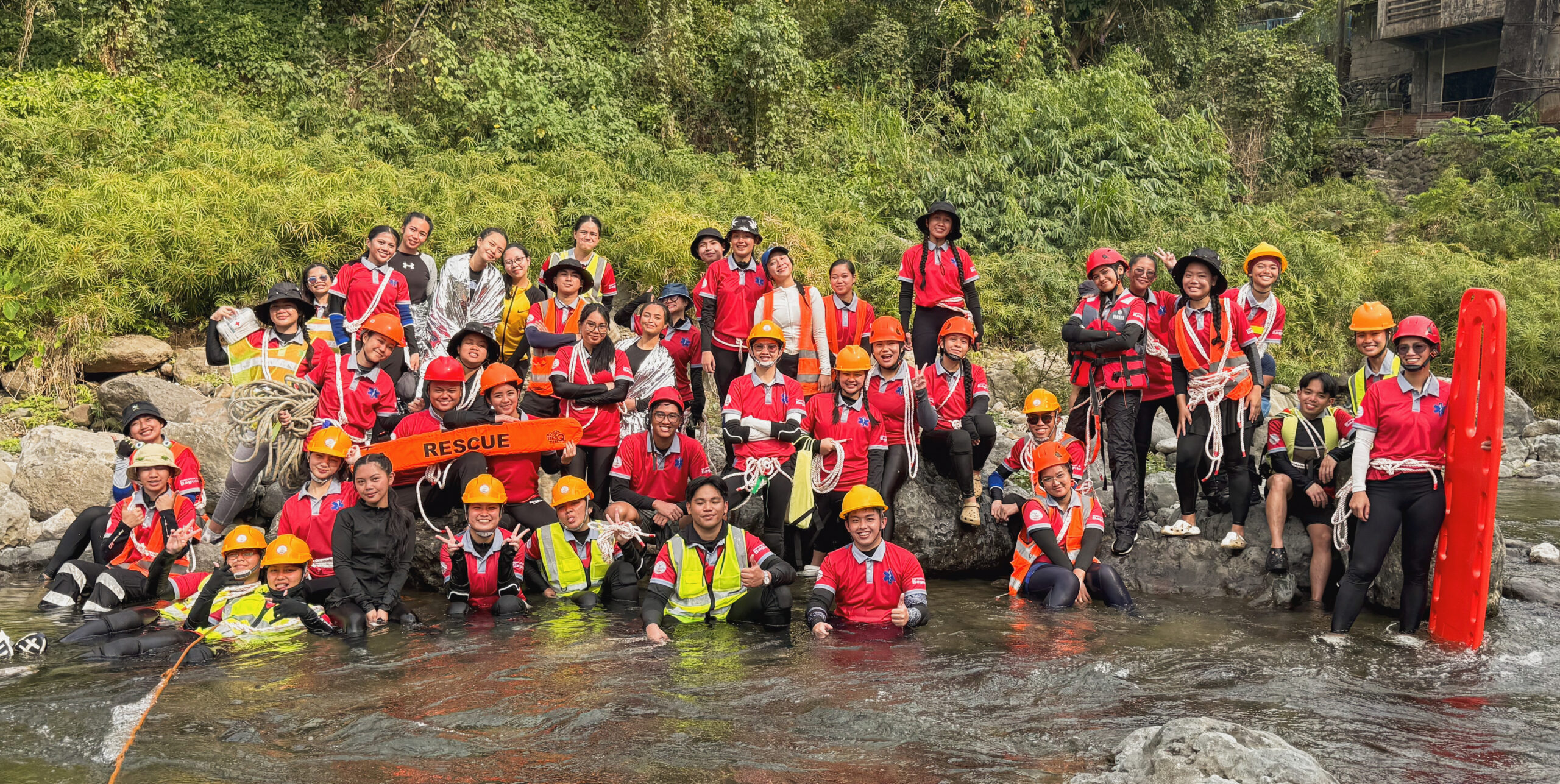
The University of Baguio School of Nursing (UB-SON) conducted its Disaster Nursing Related Learning Experience (RLE) for fourth-year nursing students, designed to prepare them for emergency response, disaster management, and field-based healthcare delivery. Held across various outdoor environments including pools, rivers, mountain-like terrains, and forest trails, the simulation allowed students to experience realistic rescue and emergency scenarios beyond the classroom setting. Each training day began with military-style exercises that helped build discipline, teamwork, endurance, and mental preparedness before the simulation activities began.
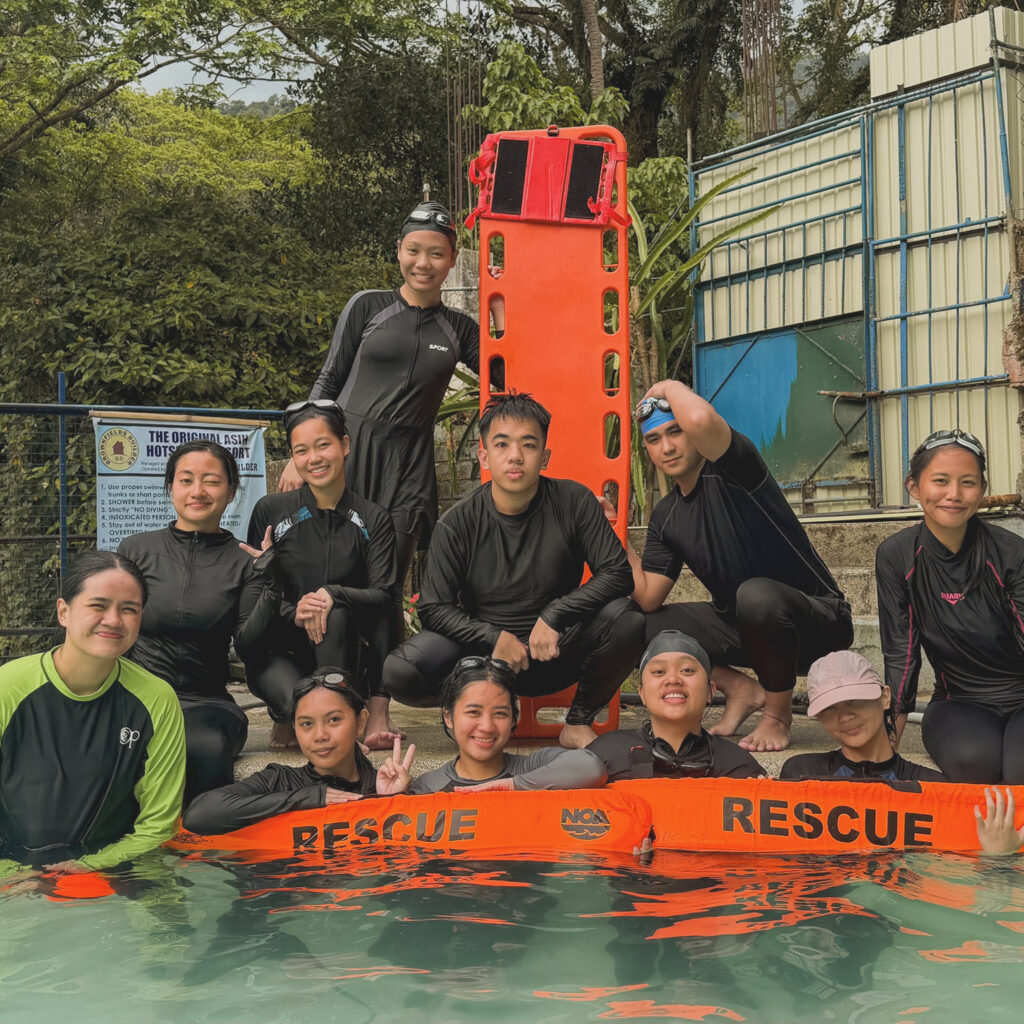
One of the major components of the training was Water Safety and Water Search and Rescue held at Brownfields Builder’s Resort in Asin, Tuba, Benguet. During this activity, students learned proper breathing techniques in water, floating, and basic swimming strokes such as dog paddle, elementary stroke, freestyle, backstroke, and breaststroke. They were also trained in proper diving techniques and basic rescue methods for a drowning patient. This activity emphasized that in disaster situations such as floods and water-related emergencies, nurses may become first responders, making water survival and rescue skills essential.
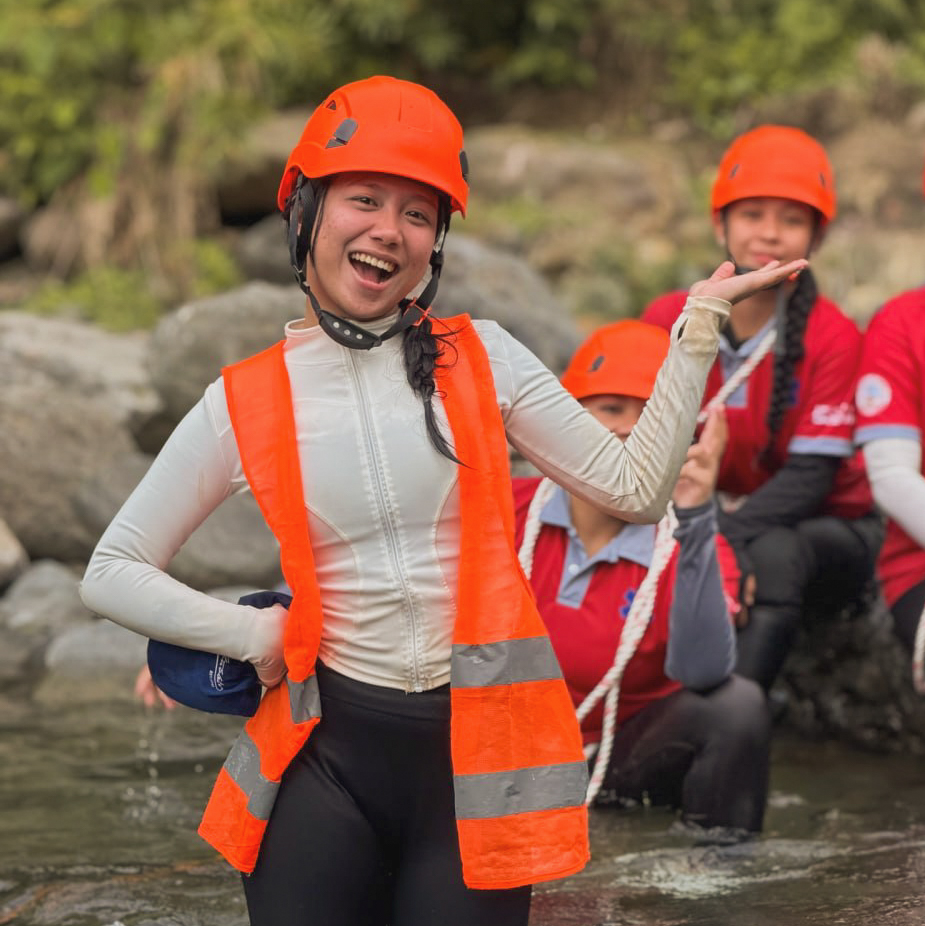
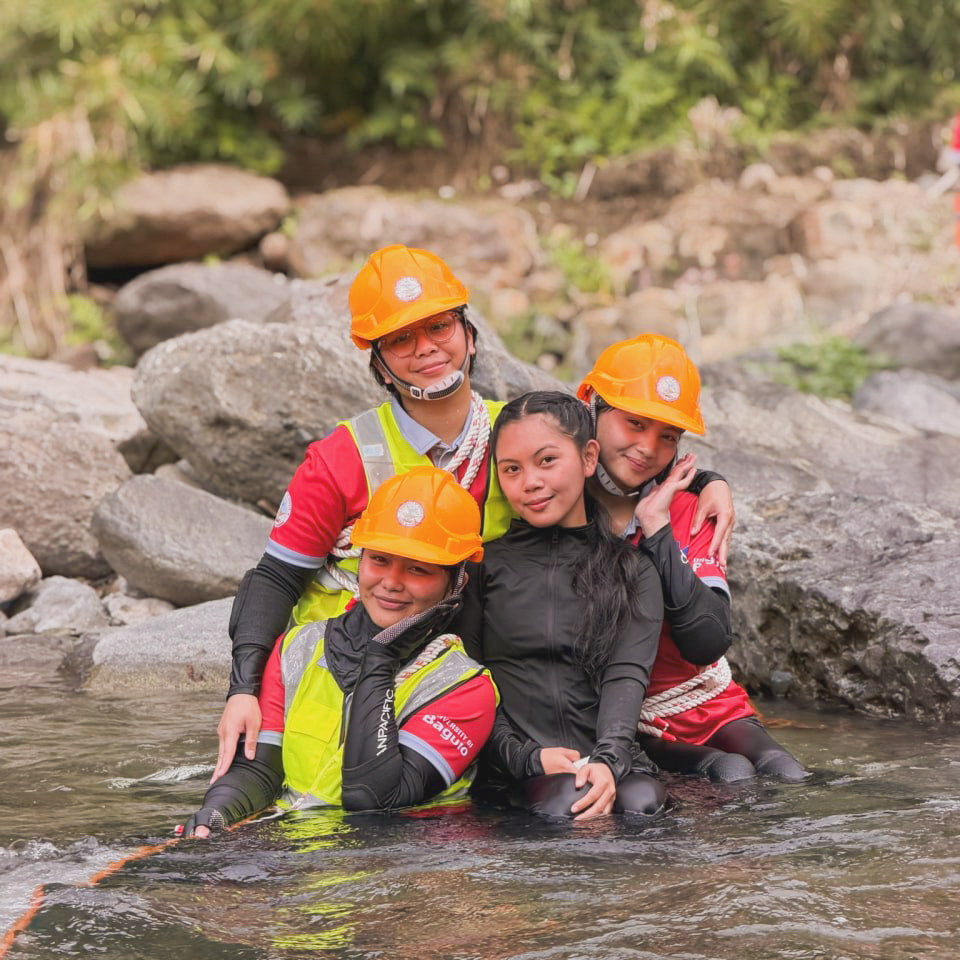
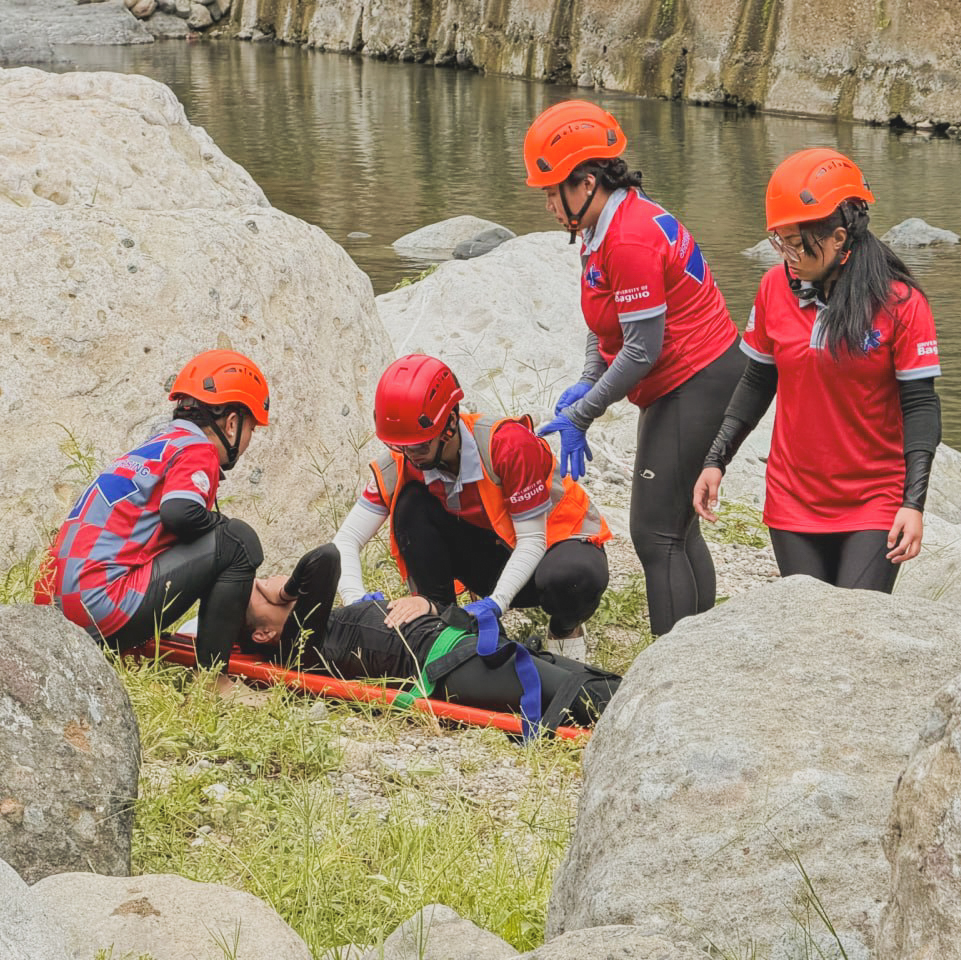
The training then transitioned to a river setting where students conducted a Mass Casualty Incident simulation. In this scenario, they applied the Incident Command System, performed triage, and conducted search and rescue operations. The activity highlighted the importance of organization, communication, leadership, and teamwork in managing large-scale emergencies. Students learned that disaster response is not only about providing treatment but also about coordination, prioritization, and efficient use of resources.
“Disaster nurses must be proactive responders; prioritizing safety, mastering triage under pressure, and executing their roles effectively within a coordinated system,”
Mr. Jude Lester Olod, RN, Clinical Instructor.
Reinforcing this perspective, Mr. Mark Lilagan, RN, Clinical Instructor, highlighted the realities of disaster response: “Disaster nursing trains you to become a resilient first responder, leader, and decision-maker beyond hospital walls. In many situations, there is no power, no complete resources, and limited supervision, so adaptability is essential. UB prepares its students to remain calm, think critically, and take action in the midst of chaos.”
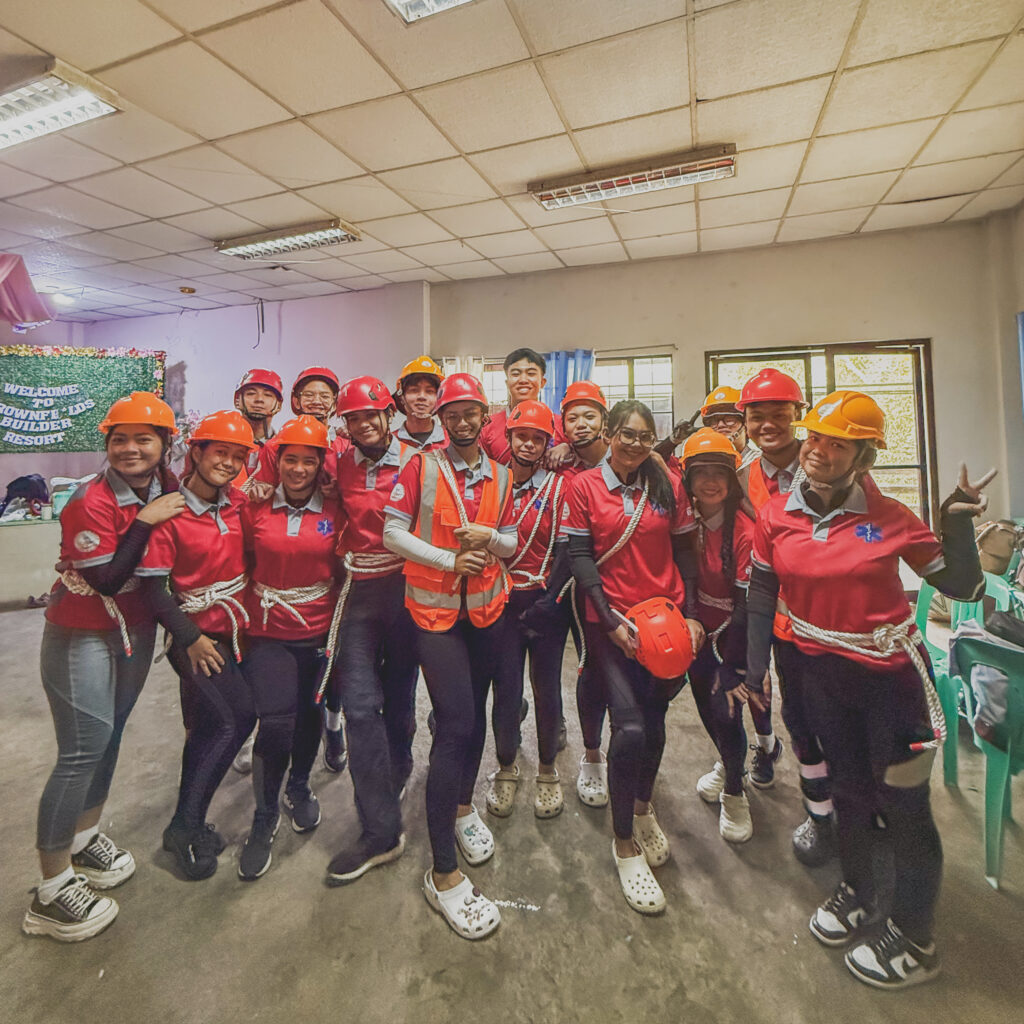
The simulation continued at Camp John Hay where students trained in ropemanship and harness application. They learned different knots and rope techniques used for rescue operations, patient transport, and securing equipment in difficult terrain. This was followed by rappelling training, where students learned proper descending techniques and safety procedures. These activities taught students the importance of safety, proper equipment handling, and controlled movement during rescue operations in elevated and uneven terrain.
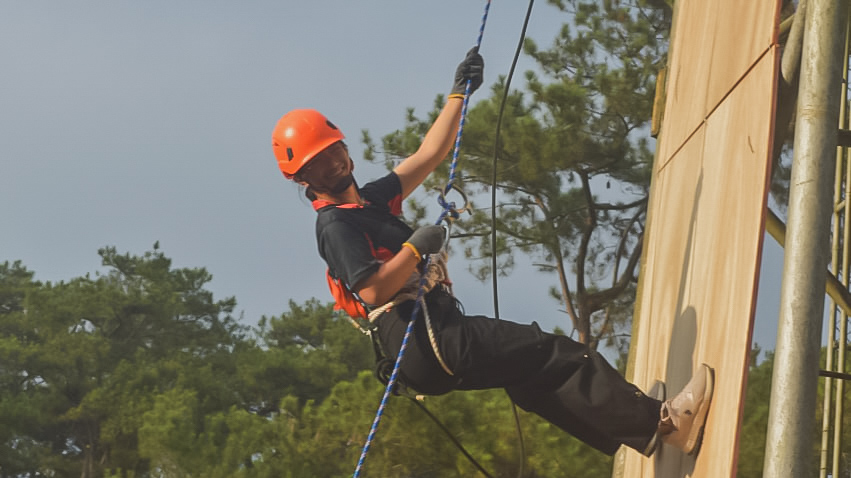
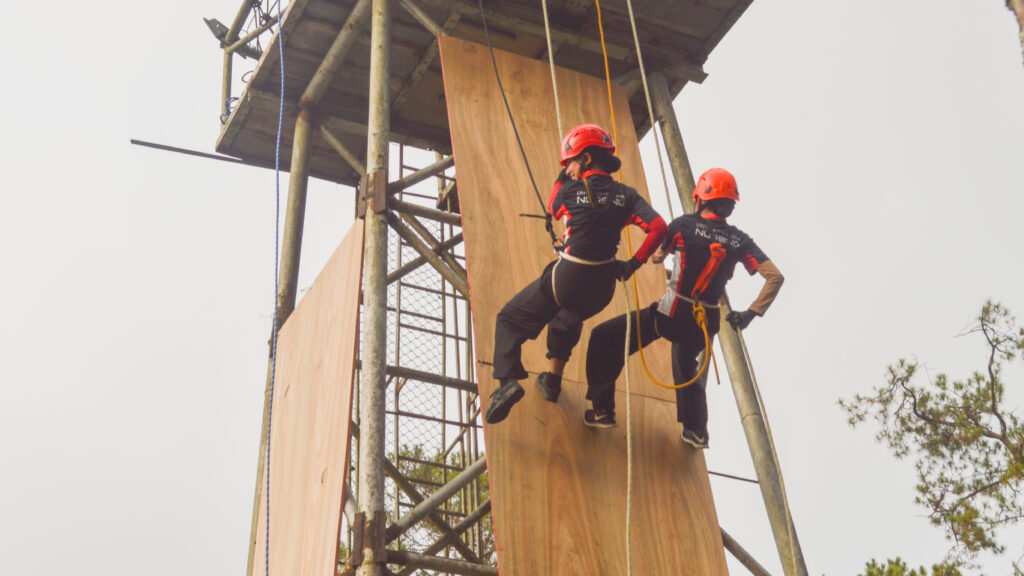
Students also practiced patient packaging and learned how to properly lift and carry patients across uneven terrain. They performed high-angle rescue simulations using a Stokes basket, where a patient was secured and transported using rope systems. These activities strengthened their ability to handle patients safely in complex rescue situations while maintaining stability and coordination.
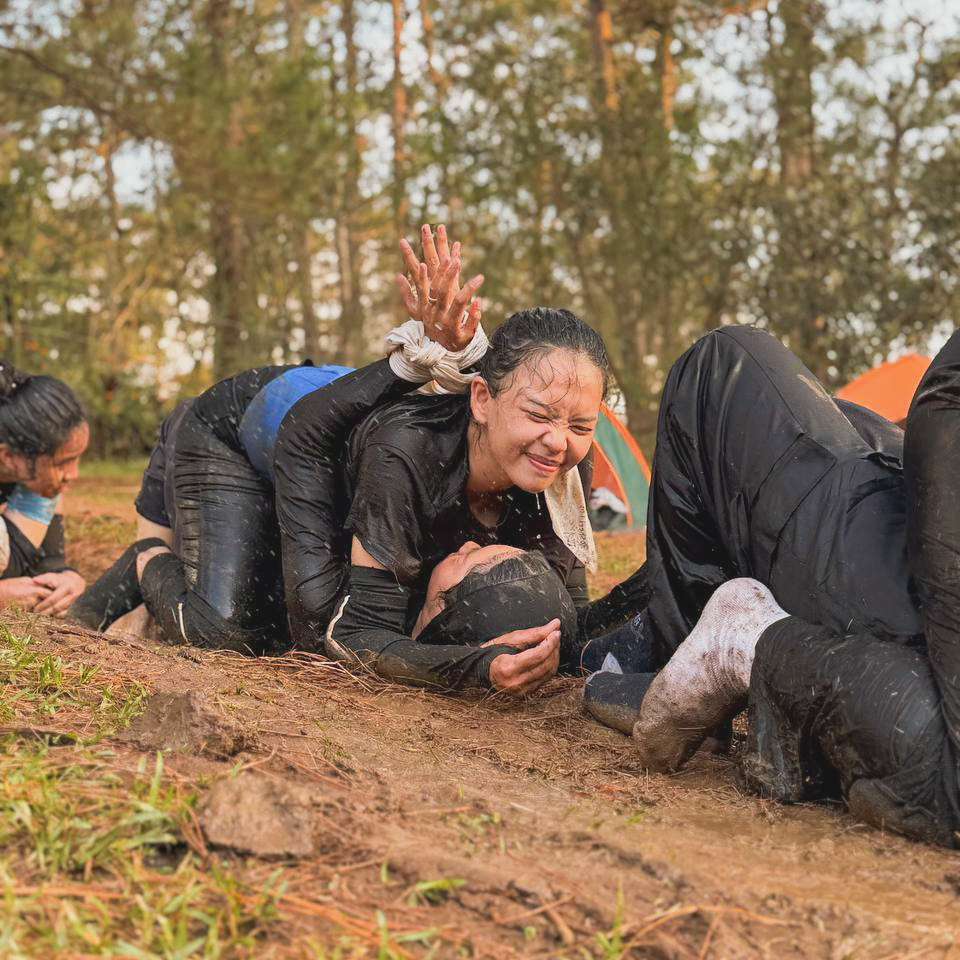
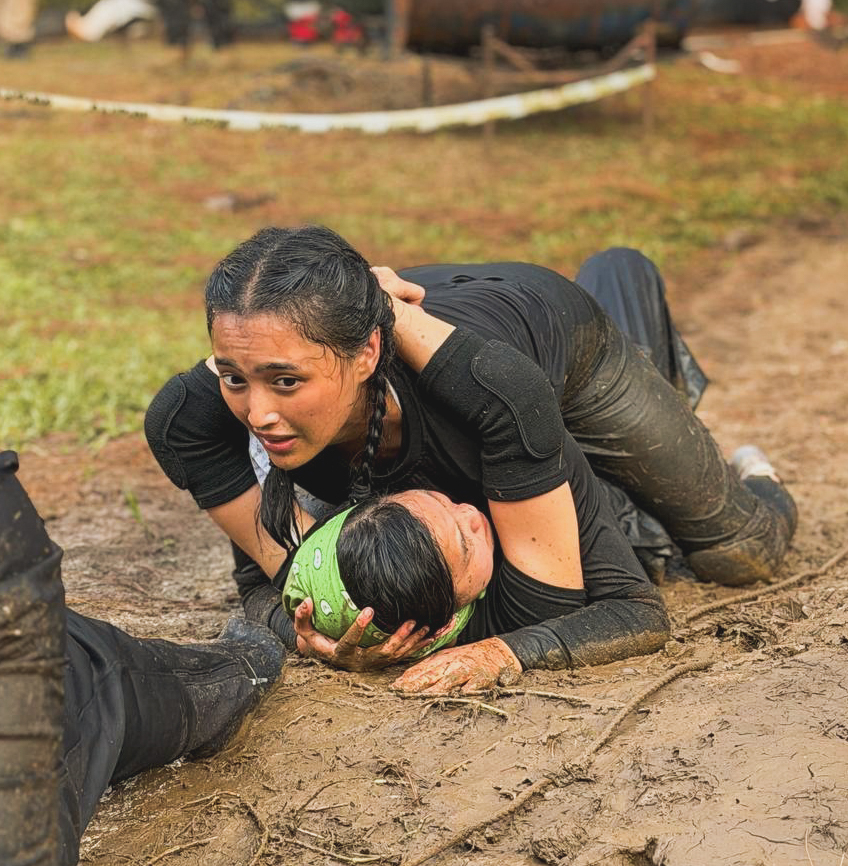
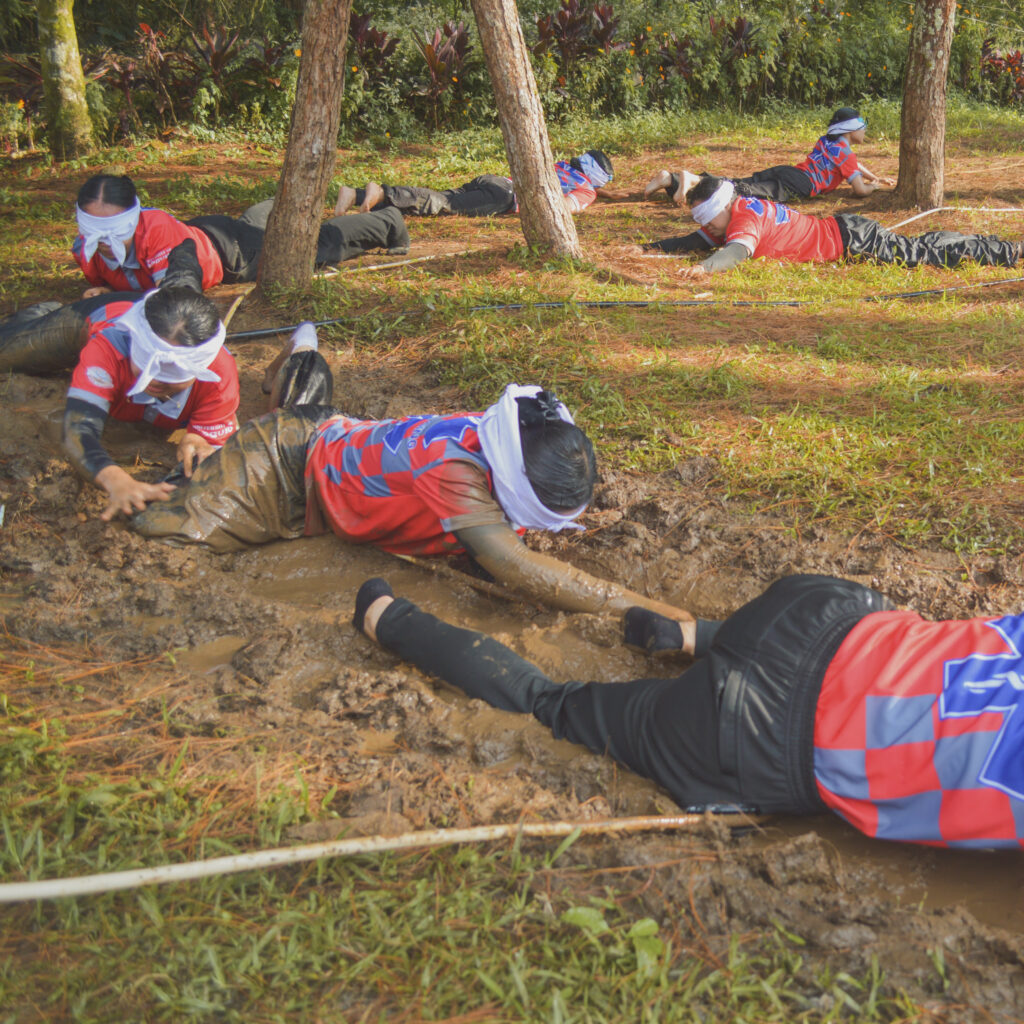
One of the most challenging activities involved crawling through mud while blindfolded, alongside performing the fireman’s drag across muddy terrain. These exercises simulated low-visibility and physically demanding environments, requiring students to rely on communication, teamwork, and trust. The activity demonstrated how disaster responders must remain calm and coordinated even when visibility is poor and conditions are exhausting, while also emphasizing proper technique and strength in safely evacuating patients under difficult conditions.
Reflecting on the outcomes of the training, Mr. Dennis Paraiso, RN, Clinical Instructor, emphasized its impact on students’ professional development: “This training teaches students the importance of rapid response, thorough assessment, and always prioritizing patient safety in disaster situations. It strengthens teamwork and collaboration, which are essential in managing both natural and man-made emergencies. More importantly, it sharpens their critical thinking and prepares them to respond effectively in real-world, pre-hospital settings.”
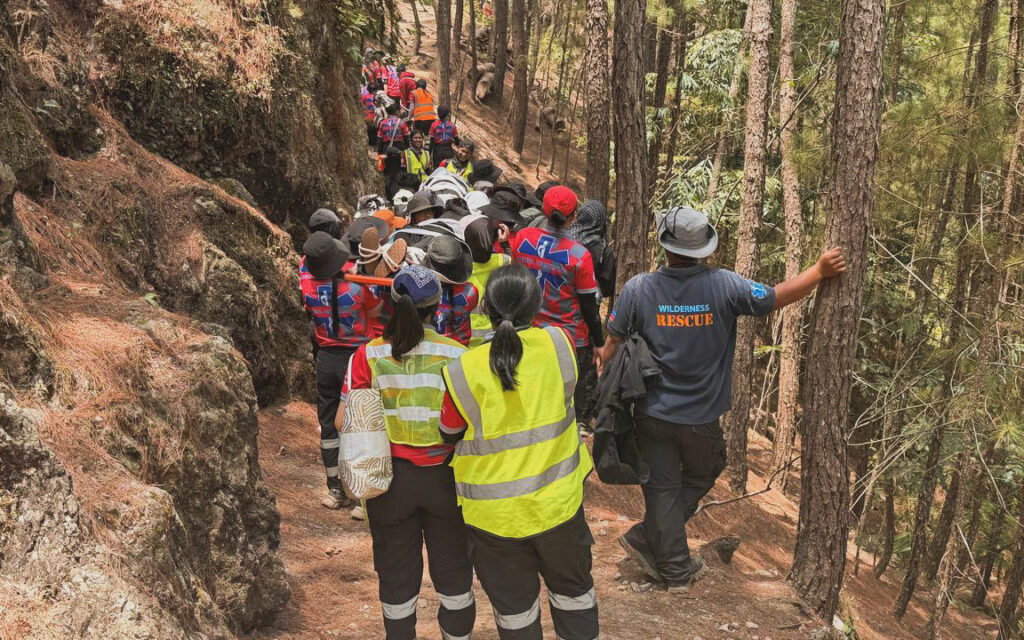
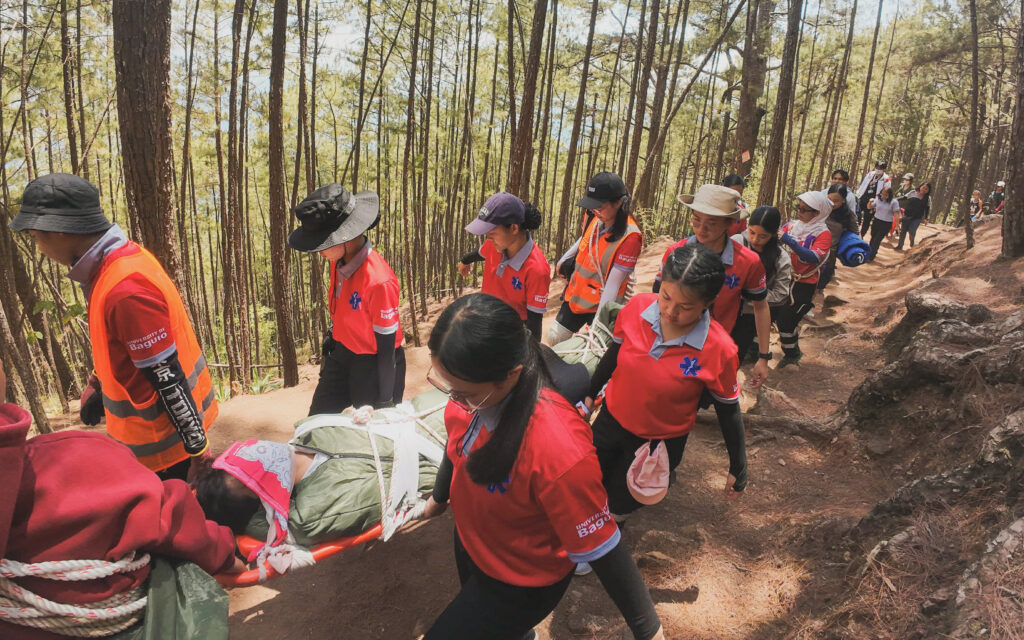
Before the final activity, students were also tasked to trek along the Yellow Trail at Camp John Hay while carrying a simulated patient across long distances and uneven paths. The activity required endurance, coordination, and constant communication among team members to ensure the safety of both the rescuers and the patient. This exercise simulated real-life patient evacuation in remote or hard-to-reach areas where immediate transport resources may not be available.
The Disaster Amazing Race served as the culminating activity where students applied all the skills they learned throughout the training. They navigated various stations that tested their knowledge in disaster response, rescue techniques, teamwork, and decision-making under pressure. The activity integrated all the lessons into one continuous scenario.
The Disaster Nursing RLE demonstrated that healthcare is not limited to hospitals and clinics. Nurses must be prepared to provide care in rivers, forests, disaster sites, and remote areas where immediate medical assistance is needed. This initiative also reflects the importance of the United Nations Sustainable Development Goals, particularly SDG 3 on Good Health and Well-Being by promoting preparedness and responsive healthcare, and SDG 13 on Climate Action by preparing future nurses to respond effectively to disasters often linked to environmental challenges. Through this training, students become more adaptable and capable of delivering care in diverse and unpredictable conditions.
Ultimately, this simulation and training reflects the University of Baguio’s commitment to preparing students to become competent, responsible, and service-oriented professionals who can respond effectively to community needs, emergencies, and disaster situations. Through this experience, students not only learned technical skills but also developed resilience, leadership, teamwork, and the readiness to serve and save lives in the most challenging environments.