Written by Amor Cayasen and Kyla Portin
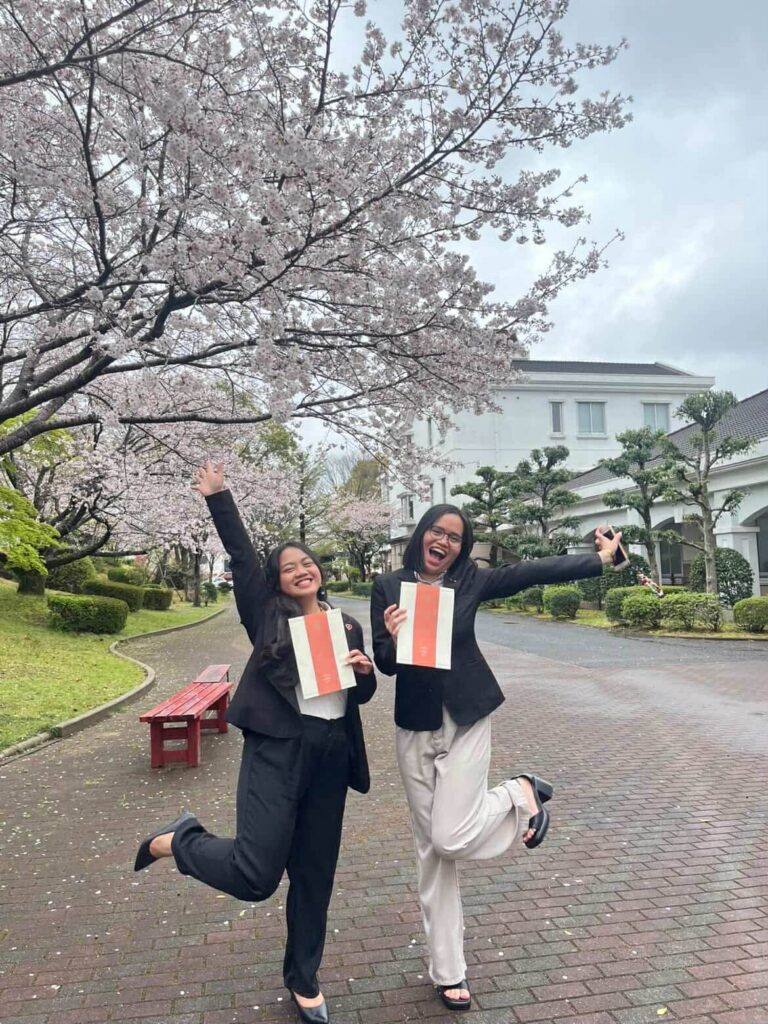
We have long regarded Japan as a distant aspiration—our “someday.” It was a place we envisioned ourselves living in, a country where we hoped to one day witness the majesty of Mt. Fuji firsthand. For years, these ambitions remained abstract, existing more as ideals than as attainable realities. It was therefore beyond our expectation that we would be selected as participants in this program. Our application was submitted with modest anticipation, and our acceptance came as both a surprise and a profound honor.
Our arrival in Japan has cultivated in us a deep appreciation for a more deliberate and tranquil way of life. Contrary to our initial expectations, we did not experience an overwhelming sense of homesickness. Life in Isahaya City evokes a sense of familiarity, reminiscent of Baguio City in the Philippines, as both locations are characterized by their proximity to nature and their calm, measured pace. This resemblance provided a sense of comfort that eased our transition into a new environment. The faculty members are approachable and supportive, while our peers exhibit a warmth that fosters a strong sense of belonging.
Equally striking is the efficiency and discipline that permeate daily life in Japan. From the moment of our arrival, there was a clear expectation of promptness and organization. We were required to arrange our accommodations, procure necessary supplies, and complete institutional requirements without delay. Initially, we anticipated that adapting to Japan’s numerous implicit social norms would be challenging. Everyday activities, such as shopping, are governed by unspoken conventions that reflect a broader cultural emphasis on order and consideration.
However, these norms do not impose a sense of restriction. Rather, they contribute to an environment that feels structured and secure. The adherence to these practices demonstrates a collective commitment to mutual respect and social harmony. We have come to admire the precision and attentiveness with which even the smallest details are managed, as they collectively reinforce a highly functional and cohesive society.
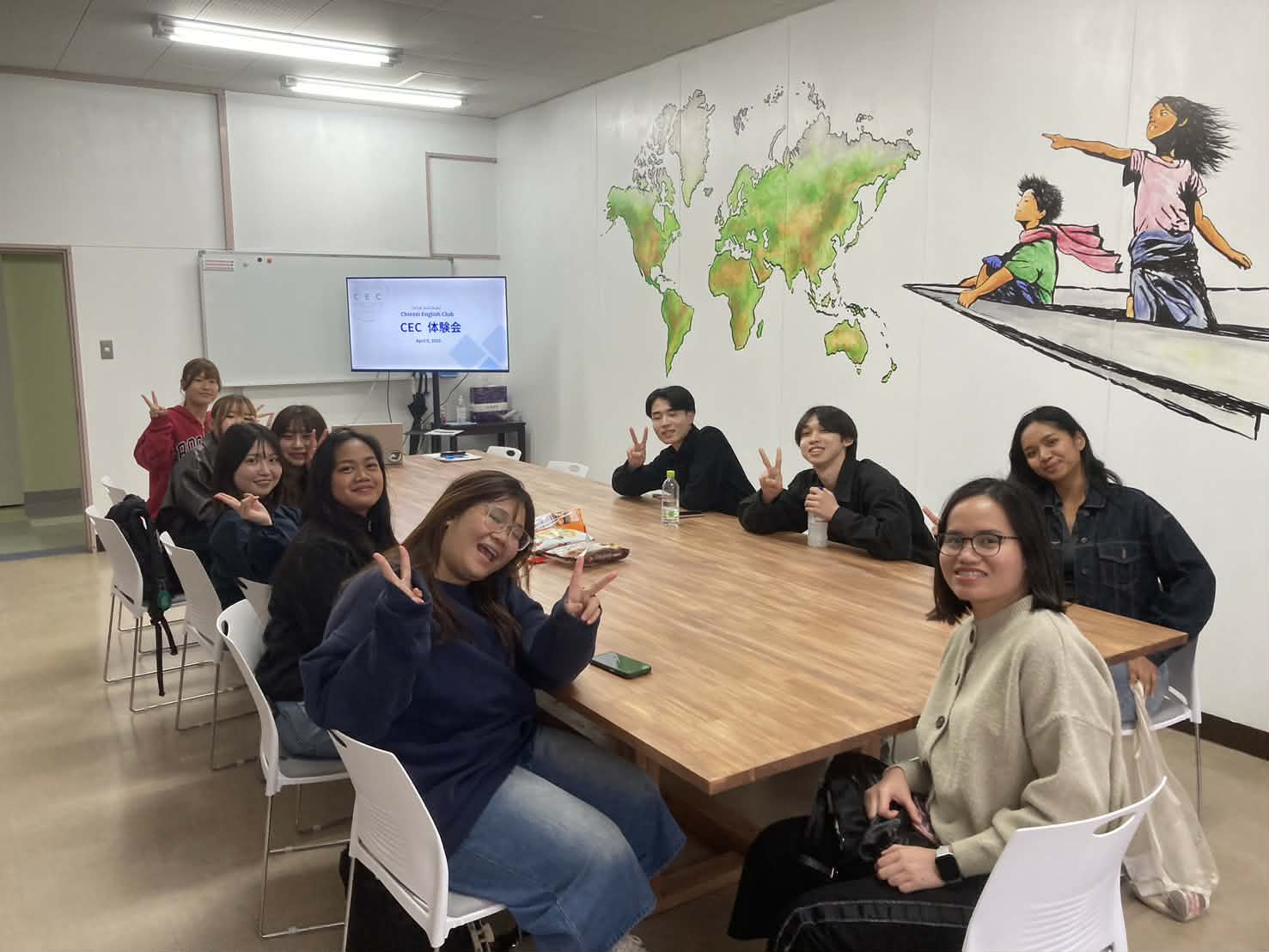
Another notable aspect of our experience has been the unexpected diversity within the community. Prior to our arrival, we anticipated primarily interacting with Japanese nationals. Instead, we encountered a multicultural environment composed of individuals from various regions of the world. Despite being described locally as a rural area, the community includes students from the United States, Europe, and numerous Asian countries such as Nepal, South Korea, Bangladesh, China, Vietnam, Kazakhstan, and Myanmar. Furthermore, the level of development in the area—evident in its infrastructure, residential buildings, and transportation systems—challenges conventional perceptions of what constitutes the “countryside.”
This environment may be described as a convergence of languages and cultures. Communication often extends beyond linguistic proficiency, relying instead on shared effort, nonverbal expression, and mutual understanding. These interactions underscore the capacity for meaningful connection despite differences in language and cultural background.
Our academic preparation has played a significant role in facilitating our adjustment. The foundational knowledge acquired through the BAEL program has proven invaluable in navigating both academic and social contexts. Prior exposure to elements of the Chinese and Japanese languages has enhanced our ability to manage daily interactions. Moreover, our previous engagement with international communities has enabled us to participate more confidently in a multicultural setting.
Courses such as Translation Studies (TRANS1) and ELT Approaches and Methods (ELTAPP1) have been particularly influential. These subjects have not only deepened our understanding of language acquisition but have also equipped us with the skills necessary to support fellow learners who encounter difficulties in studying Japanese. As a result, we have developed greater adaptability in acquiring and applying new linguistic systems.
Nevertheless, it has become evident that a foundational proficiency in the Japanese language is essential for meaningful integration. While digital translation tools provide a degree of assistance, they are insufficient for navigating the full complexity of daily life. Basic language competence is necessary to engage effectively with the community and to understand the cultural nuances embedded within everyday interactions.
Studying in Japan requires resilience, discipline, and a sustained commitment to learning. It is an undertaking that demands both intellectual and personal growth. However, for those who possess a genuine interest in language and culture, the experience offers significant rewards. It broadens perspectives, fosters independence, and cultivates a deeper understanding of both self and society.
What was once a distant aspiration has now become a lived reality. Through this experience, we continue to develop not only our academic abilities but also our capacity to adapt, reflect, and engage meaningfully with a culture that was once only imagined.